
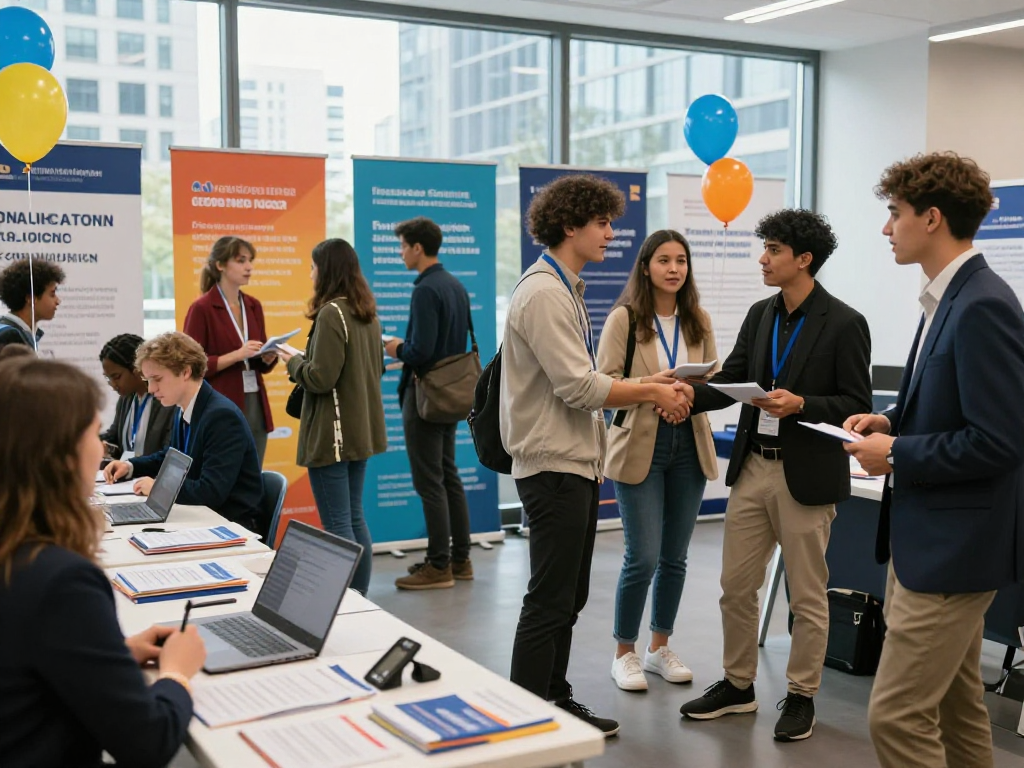
Understanding the Landscape for University and Trade School Graduates
As the job market continues to evolve, university and trade school graduates find themselves navigating a dynamic environment filled with both opportunities and challenges. In 2026, the landscape for these graduates is shaped by technological advancements, shifting consumer demands, and an increased focus on practical skills. Understanding the nuances of this landscape is crucial for graduates seeking to make informed career choices.
The competition is increasingly fierce, as many industries are saturated with candidates holding similar qualifications. This scenario demands that graduates not only possess solid educational credentials but also effectively leverage platforms like university and trade school graduates to enhance their visibility and connect with potential employers directly.
Current Job Market Trends for Graduates
The current job market for university and trade school graduates is characterized by notable trends. One prevalent observation is the increasing demand for skilled professionals in sectors like technology, healthcare, and renewable energy. According to recent labor market data, technology-related roles are expected to grow substantially, fueled by advancements in artificial intelligence and machine learning. Trade skills, particularly in HVAC, plumbing, and electrical work, are also seeing significant demand as industries strive to meet sustainability goals.
How Different Industries Value Education Credentials
It's essential to recognize that different industries weigh educational credentials differently. In fields like finance and engineering, a university degree remains a critical requirement, while sectors such as construction and automotive services increasingly value hands-on experience and trade certifications. Graduates should conduct thorough research into their targeted industries to understand what qualifications and experiences are necessary for success.
Common Misconceptions About Employability
There are several misconceptions about employability that can hinder graduates' job search efforts. One prevalent myth is that the highest degree guarantees the best job opportunities. While advanced degrees can provide an edge, employers often prioritize relevant experience and skill sets. Another misconception is that networking is unnecessary; however, building professional relationships can lead to job referrals and insider knowledge about openings. Graduates must dispel these myths and adopt a more realistic approach to their job search.
Effective Strategies for Job Seeking
Finding a job in today's competitive market requires strategic planning and effort. Here are some effective strategies tailored for graduates:
Optimizing Your Resume for Maximum Impact
Your resume is often the first impression employers have of you. To stand out, tailor your resume for each application, highlighting relevant skills and experiences. Use action verbs to convey accomplishments and quantify your achievements whenever possible. A well-structured resume that clearly showcases your strengths can significantly increase your chances of landing interviews.
Leveraging Online Platforms to Find Opportunities
In the digital age, online platforms play a crucial role in job searching. Websites like AllTogether+ simplify the process of connecting with employers and service providers across various sectors. These platforms allow graduates to advertise their qualifications, showcase their portfolios, and apply for jobs in a streamlined manner. Utilizing online resources effectively can open new doors and provide insights into job market trends.
Networking Techniques for Recent Graduates
Networking is a vital component of any job search. Recent graduates can benefit from attending industry events, joining professional associations, and participating in social media groups relevant to their fields. Establishing connections with professionals can lead to mentorship opportunities and direct job referrals, which are invaluable for entry-level roles.
Building a Personal Brand as a Graduate
Your personal brand is the perception others have of you professionally. Building a strong personal brand is essential for standing out in the job market. Here are some ways to enhance your personal brand:
Creating a Professional Online Presence
In the digital landscape, a professional online presence can make a significant difference in a job search. Graduates should curate their social media profiles to reflect their skills and professionalism while also joining platforms like LinkedIn to showcase their accomplishments. Regularly updating profiles to include new experiences and skills will keep potential employers engaged.
Engaging in Industry-specific Communities
Participating in industry-specific communities can significantly bolster a graduate's visibility and knowledge. Engaging in discussions, sharing insights, and contributing to relevant topics can help establish expertise and foster valuable connections. These interactions can also lead to collaboration opportunities that might not be available through traditional job-seeking channels.
Showcasing Skills and Accomplishments Effectively
When applying for jobs, it's essential to effectively showcase relevant skills and accomplishments. Utilizing portfolios, case studies, or project showcases can provide tangible evidence of abilities. Being prepared to discuss these during interviews will set graduates apart and demonstrate their enthusiasm for the role.
Real-world Success Stories and Case Studies
Learning from the experiences of successful graduates can inspire and guide current job seekers. Here are notable stories that provide valuable lessons:
Inspiring Journeys of Recent Graduates
Recent graduates who have successfully transitioned into their careers often share experiences that highlight the importance of resilience and adaptability. Many have leveraged internships or entry-level positions to gain hands-on experience that ultimately led to more substantial career advancements. Each story typically emphasizes the value of hard work and networking.
Lessons Learned from Successful Career Transitions
Successful transitions often come with lessons about the importance of continuous learning. Graduates should be open to pursuing additional certifications or training programs that enhance their employability. Flexibility in career paths has also proven beneficial, as some of the most successful graduates have ventured into industries outside their initial education scope.
How Networking Led to Job Offers
Networking often plays a crucial role in securing job offers. Graduates who actively engage with their professional networks frequently find new opportunities because of referrals from industry contacts. This highlights the significance of maintaining relationships even when not seeking immediate employment, as job openings can arise unexpectedly.
Future Trends and Opportunities for Graduates in 2026
As we look towards the future, graduates must stay abreast of emerging trends that will shape the job market. Here are some key areas to consider:
Emerging Industries and Skills in Demand
In 2026, industries such as biotechnology, green technology, and cybersecurity will see tremendous growth. Graduates focused on acquiring skills relevant to these fields, such as data analysis, environmental science, and ethical hacking, will be well-positioned for successful careers. Staying informed about these trends can guide educational choices and career planning.
Adapting Education for Future Workforce Needs
The evolving job market requires education to adapt continuously. Universities and trade schools are responding by integrating practical skills training into curricula, offering more hands-on experiences that reflect real-world demands. Graduates should seek programs that emphasize adaptability and practical application to remain competitive.
Predictions for Career Growth and Development
Career growth for future graduates will increasingly depend on the ability to embrace technology and innovation. Graduates who remain proactive in their professional development and continue to enhance their skills will likely see more substantial growth opportunities. This includes staying updated with industry trends and adjusting career paths as necessary.
What Job Seekers Need to Know Moving Forward
As the job market continues to evolve, job seekers must remain agile. Embracing lifelong learning and being open to new experiences will be crucial for securing opportunities in emerging fields. Graduates should also prioritize building relationships with mentors who can provide guidance and industry insights.
What Skills Will Be Essential for Future Graduates?
The essential skills for future graduates will include not only technical abilities but also soft skills like communication, problem-solving, and adaptability. Employers will increasingly look for candidates who can work collaboratively in diverse teams and navigate changing work environments effectively.
How to Prepare for the Evolving Job Market?
Preparing for the evolving job market involves embracing change and being proactive about skill development. Graduates should seek internships, volunteer opportunities, or projects that allow them to gain practical experience. Continuous education, whether through formal or informal channels, will be necessary to remain relevant.