
Understanding Event Requirements
Identifying Client Needs
Successful event planning begins with understanding the specific needs of the client. This requires detailed communication and careful consideration of their vision. Start by organizing a consultation wherein client preferences are clearly expressed. Utilize this opportunity to ask targeted questions around event goals, expected outcomes, and audience demographics.
It is beneficial to gauge the sentiment behind their requests. For example, are they looking for a formal gathering or a casual celebration? Emphasize listening beyond just the words spoken—understanding context can reveal underlying themes that are crucial to the event’s success. For a deeper dive into planning and execution, explore the services offered at https://www.casablancahire.co.uk/.
Setting Budget Parameters
Once client needs have been identified, the next step is to establish a clear budget framework. Understanding limitations and financial allowances help in decision-making and resource allocation throughout the planning process. Discuss all potential costs, including venue rental, catering, decoration, and entertainment, to provide a comprehensive overview of the expected financial outlay.
Encourage clients to prioritize certain aspects of the event that are non-negotiable while remaining adaptable in other areas. This approach fosters flexibility without compromising quality. Establishing a budget isn’t merely about restriction; it’s about optimizing investments for the best value for money.
Choosing the Right Venue
The venue is often the centerpiece of any event, playing a significant role in the overall atmosphere and guest experience. The right venue aligns with the client’s vision, accommodates the expected number of guests, and provides appropriate facilities.
When selecting a venue, consider aspects such as location, accessibility, and available amenities. It’s crucial to undertake site visits to get a physical feel of the space. Understand restrictions pertaining to décor and set-up, as well as any logistical prerequisites.
Designing the Perfect Atmosphere
Decoration Essentials
Decoration defines the mood of the event and contributes significantly to the overall experience. It should align with the theme and purpose of the event, creating a harmonious atmosphere that resonates with guests. Consider using a mix of furnishings, textiles, and ornamental features to enhance visual appeal.
While achieving an attractive design is vital, it is equally important that decorations are functional and accommodate the flow of the event. Balance aesthetic options with utility—ensuring guests can navigate comfortably will enhance their enjoyment.
Lighting and Ambience
The importance of lighting in creating an atmosphere cannot be overstated. A well-designed lighting plan can transform a generic space into a captivating environment that complements the event’s theme. Different lighting techniques, from soft ambient lighting to dynamic effects, can cater to various moods throughout the event.
Consider layering lighting, using a combination of natural light, ambient fixtures, and accent lights to create depth and interest. Lighting design should align with the event schedule—both transitions and specific moments, such as speeches and performances, can be highlighted effectively.
Table Settings and Arrangements
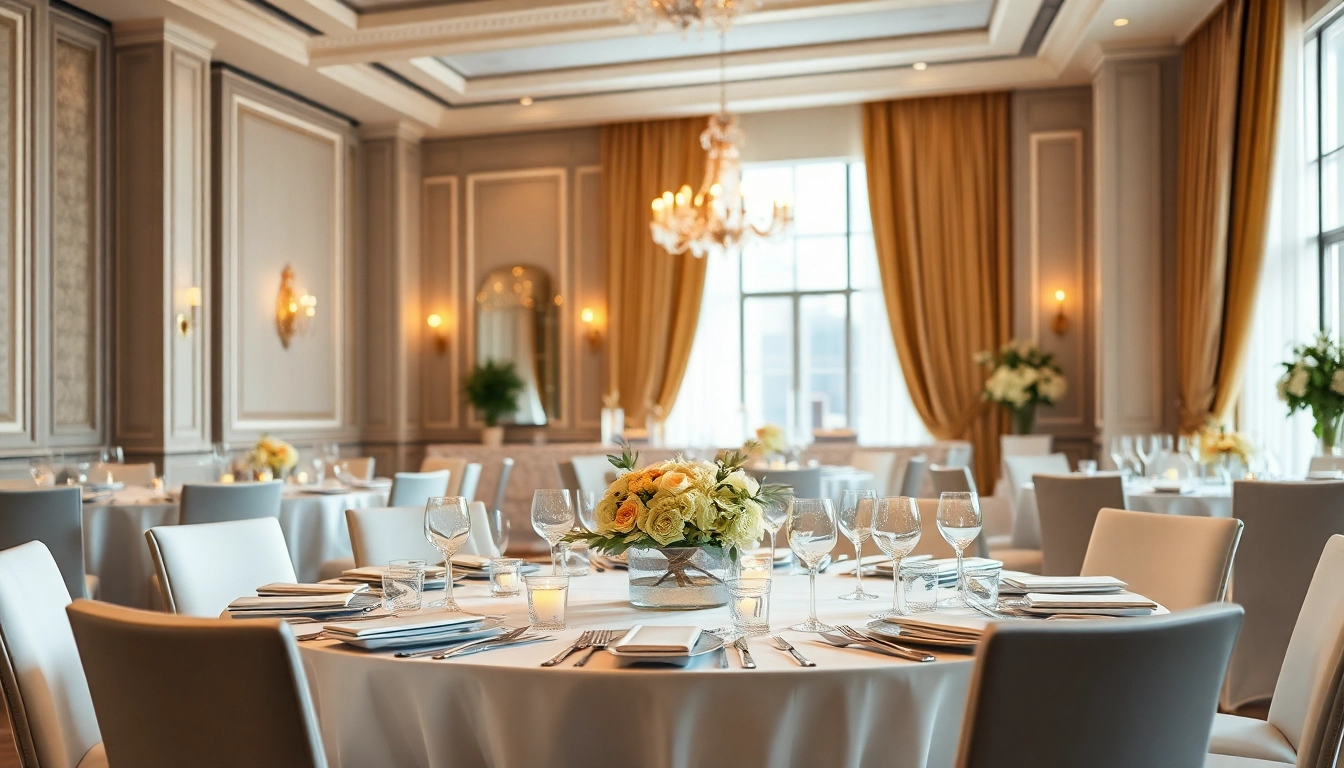
Table settings play a crucial role in dining experiences, contributing to both the visual aesthetics and comfort of guests. Thoughtful arrangements can facilitate conversations and social interactions while reflecting the event’s theme.
Choose table linens, centerpieces, and place settings that create cohesion with the overall decor. Consider the flow of service, ensuring that seating arrangements enable smooth transitions for wait staff and guests alike. Striking the right balance between style and practicality can enhance the dining experience significantly.
Enhancing Guest Experience
Customizing Event Services
To elevate the event experience, customization is key. Tailor service offerings to reflect the client’s unique vision—this includes catering options, audiovisual elements, and additional services such as concierge and coat check.
Explore innovative ideas that showcase the event’s personality, whether through themed menus or interactive stations that encourage guest participation. Creating memorable touchpoints allows guests to feel engaged and valued throughout the experience.
Entertainment Options
Entertainment can be a central element of an event, providing joy and engagement to attendees. The type of performance chosen should align with the event’s tone and audience demographics. From live bands and DJs to speakers or interactive activities, offer various entertainment options that cater to diverse tastes.
Consider incorporating engaging elements that encourage participation, such as photo booths or contests. These elements facilitate guest interaction and create long-lasting memories that attendees will cherish.
Post-Event Engagement
The guest experience doesn’t end when the event concludes; fostering post-event engagement is crucial for building lasting relationships. Consider sending Thank You notes or memorable takeaway gifts to express appreciation for their attendance.
Encourage feedback through surveys and online platforms—this not only gathers insights but also demonstrates a commitment to valuing attendee opinions. Engaging attendees long after the event allows for future opportunities and strengthens brand loyalty.
Establishing Effective Logistics
Vendor Coordination
Successful events rely heavily on effective communication and coordination with vendors. Develop strong working relationships with all parties involved—this includes caterers, decorators, audio-visual technicians, and more. Create a clear plan and timeline for each vendor’s responsibilities, ensuring everyone understands their roles.
Regular check-ins can help maintain transparency and keep every vendor aligned with the client’s expectations. Establishing a point of contact within the team facilitates efficient problem-solving and communication throughout the planning process.
Event Timelines
A comprehensive timeline is crucial for seamless event execution. Break down the planning process into key phases—venue selection, vendor coordination, and detailed day-of schedules. This ensures all tasks are completed on time and enhances accountability.
It’s essential to build flexibility into the timeline, allowing for unforeseen changes. Regular discussions with vendors and team members can help navigate potential disruptions and adjustments smoothly.
Transportation Arrangements
Transport logistics are often overlooked, yet they play a vital role in ensuring guest satisfaction. Organize transportation options that are accessible and convenient for guests. This could range from shuttles for larger gatherings to parking arrangements for smaller events.
Provide clear information to guests about transportation options well in advance. Consider collaborating with transportation providers to lock in favorable rates or to create dedicated services tailored to the event’s needs. This level of detail can enhance the overall experience significantly.
Evaluating Event Success
Feedback Collection
Post-event evaluation is essential for understanding the success of the event and identifying areas for improvement. Collect feedback from guests through surveys and informal discussions, focusing on their overall experience and satisfaction levels.
Encourage honest responses and consider incentives for providing feedback. This information will provide valuable insights that can guide future event planning and execution.
Performance Metrics
Metrics can provide quantitative insights into event success. Define success criteria from the outset—this might include attendance numbers, revenue generated, or engagement levels. Use analytics tools where applicable to capture data relevant to these metrics.
Comparing actual performance against set expectations can highlight strengths and reveal weaknesses, guiding adjustments for future events.
Continuous Improvement Strategies
Every event provides an opportunity for reflection and improvement. Document lessons learned and share insights with your planning team, encouraging growth and adaptation based on feedback and performance analysis.
Integrating new ideas and innovative solutions while maintaining proven strategies will foster continuous improvement across future events. Embrace a learning mindset and seek out opportunities to elevate the overall event experience.
FAQs:
What services do you offer for event planning?
We provide comprehensive planning, including venue selection, catering, and decoration to ensure a seamless event experience.
How can I customize my event?
We work closely with clients to tailor every aspect from theme to menu, creating a unique atmosphere that reflects their vision.
What types of events do you specialize in?
We handle various events including weddings, corporate gatherings, and private parties, ensuring each occasion is memorable.
Can you help with last-minute planning?
Yes, we offer expedited services for last-minute events, committed to providing outstanding quality under tight timelines.
What is the average duration for event planning?
Planning typically takes several months, but we can accommodate various timelines based on your event’s size and complexity.