
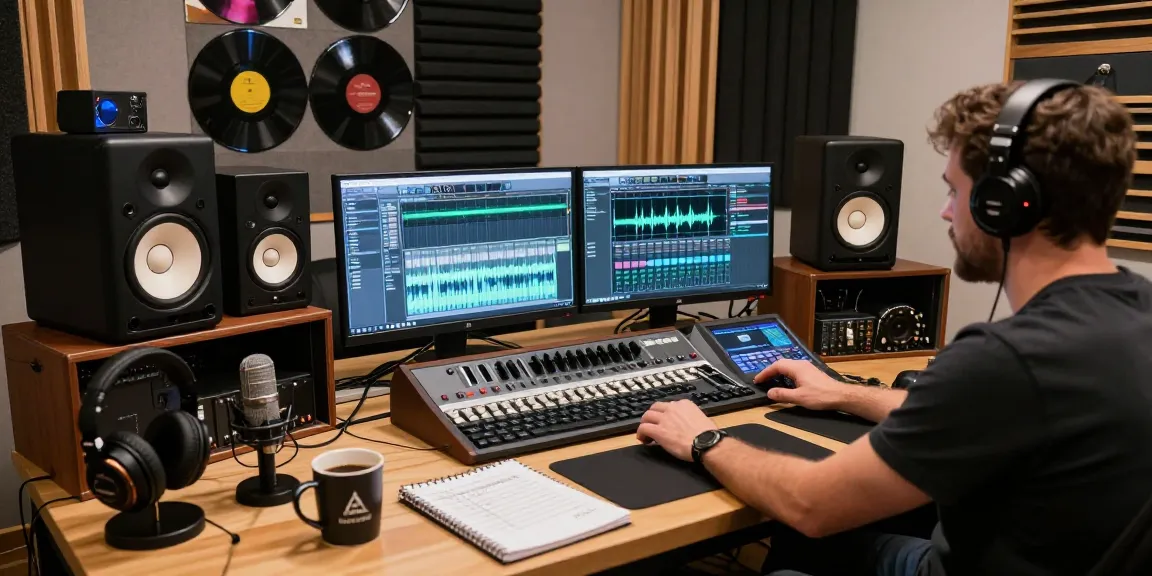
Understanding ia +18 Equipment Standards
In the rapidly evolving world of audio production, understanding equipment standards is crucial for achieving high-quality sound. The term “ia +18” signifies a specific classification of audio equipment that meets rigorous performance and compliance criteria. This classification is essential for professionals in various fields, including music production, broadcasting, and live events. By familiarizing yourself with ia +18 standards, you can ensure that your audio setup not only meets industry benchmarks but also enhances the overall listening experience.
When exploring options, ia +18 provides comprehensive insights into the latest technologies and standards that define quality in audio equipment.
What is ia +18 Equipment?
ia +18 equipment refers to a category of audio devices designed to meet or exceed specific performance metrics set forth by industry standards. This includes broadcasting equipment, mixing consoles, microphones, and speakers optimized for clarity, fidelity, and reliability. Typically, ia +18 equipment is recognized for its superior audio metrics such as frequency response, distortion levels, and dynamic range, making it indispensable for professionals aiming for excellence in sound reproduction.
Importance of Compliance in Audio Production
Compliance with ia +18 standards is not merely a regulatory requirement; it is fundamentally about ensuring quality and consistency in sound production. For audio engineers and producers, operating with compliant equipment means fewer interruptions, better sound quality, and a reliable setup that can handle various production demands. In live settings, such compliance is critical for minimizing equipment failures during performances, thereby safeguarding the artist’s reputation and audience satisfaction.
Common Misconceptions about ia +18
Despite its importance, there are several misconceptions surrounding ia +18 standards. One common myth is that only high-priced equipment can comply with these standards. In reality, numerous brands offer budget-friendly options that still meet ia +18 qualifications, making quality accessible to a broader range of users. Another misconception is that only mainstream brands produce compliant equipment; in fact, many boutique manufacturers engineer impressive products that adhere to ia +18 standards, often offering unique features that enhance sound production.
Key Features to Look for in ia +18 Equipment
Audio Quality and Performance Metrics
When selecting ia +18 equipment, the audio quality is paramount. Evaluating technical specifications such as total harmonic distortion (THD), frequency response, and signal-to-noise ratio is essential. For instance, equipment with lower THD ensures cleaner audio, while a wider frequency response allows for greater detail in sound. Prospective buyers should prioritize these metrics to ensure their setup can deliver professional-level performance across various applications.
Durability and Build Quality Considerations
Durability is another critical factor when choosing ia +18 equipment, especially for users who regularly engage in live productions or travel for gigs. Equipment designed with high-quality materials can withstand the rigors of transport and frequent use. Look for products with protective casings, robust connectors, and solid internal components. These factors contribute significantly to the longevity and reliability of your audio equipment, ensuring it can perform under different conditions without failure.
Connectivity Options and Compatibility
In today’s interconnected world, the versatility of audio equipment is vital. Ensure that your ia +18 equipment supports various connectivity options, such as USB, MIDI, and various analog inputs and outputs. Compatibility with other devices in your setup allows for seamless integration and enhances workflow efficiency. As technology advances, being able to adapt and integrate new devices will help maintain a competitive edge in audio production.
Real-World Applications of ia +18 Equipment
How Professional Studios Utilize ia +18
Professional studios that adhere to ia +18 standards often invest in high-quality mixing consoles, monitoring speakers, and audio interfaces to ensure optimal sound quality during recordings and productions. These studios emphasize precision and reliability to cater to diverse client needs, whether it’s a music album, a commercial, or a film score. By leveraging reliable ia +18 equipment, studios can maintain a consistent sound quality that meets client expectations.
Case Studies: Successful Sound Productions
Numerous successful productions have utilized ia +18 equipment to enhance their audio output. For example, a renowned music producer recently completed an album entirely using ia +18 certified microphones and mixers. The end result was a highly praised album noted for its detailed and vibrant sound, showcasing how adherence to these standards can yield exceptional results. Such case studies highlight the benefits of investing in quality equipment that complies with ia +18.
Impact on Live Events and Performances
In the realm of live events, having ia +18 compliant audio equipment can dramatically influence the overall experience. From concerts to corporate events, the clarity and reliability of audio systems can make or break a performance. Organizers who employ ia +18 standards can ensure that sound quality remains consistent, reducing the risk of feedback, dropouts, or distortion during critical moments of the event. This commitment to quality not only enhances the audience experience but also broadens the reputation of the event and its organizers.
Best Practices for Choosing ia +18 Equipment
Step-by-Step Selection Guide
Selecting the right ia +18 equipment involves a structured approach: First, identify your specific needs based on the type of production you engage in, whether it be studio recording, live sound, or broadcasting. Next, conduct thorough research on gear that meets ia +18 specifications. Set a realistic budget, considering both initial costs and potential long-term investments in maintenance and upgrades. Finally, test equipment whenever possible to gauge its performance first-hand.
Budgeting for Quality Sound Equipment
When budgeting for ia +18 equipment, it is crucial to balance quality and affordability. Investing in even a few key pieces of high-quality gear can lead to substantial improvements in sound production quality. Consider earmarking funds for critical components such as microphones and monitors, while opting for mid-range options for less critical items. Remember that prioritizing quality can save money in the long run by reducing maintenance costs and the need for replacements.
Future-Proofing Your Setup for 2026 and Beyond
As technology continues to evolve, ensuring your ia +18 setup is future-proof is vital for maintaining relevance in the industry. Consider modular systems that allow upgrades over time, and keep an eye on emerging technologies that enhance performance and connectivity. Staying informed about industry trends and new product releases will position you well for success as audio production demands evolve.
Emerging Trends in ia +18 Equipment for 2026
Technological Innovations Enhancing Sound Production
As we look toward 2026, several technological innovations are set to reshape the landscape of ia +18 equipment. Advancements in digital signal processing (DSP) allow for more sophisticated audio manipulation, while wireless technology is making setups more flexible and easier to manage. Innovations such as AI-driven audio mixing and immersive sound technologies offer exciting possibilities for future productions, setting new standards for what is achievable in sound quality.
Market Predictions and Industry Changes
Market predictions suggest a growing demand for ia +18 equipment as content creators continue to pursue high-quality productions across various media. The rise of remote and hybrid working environments has also catalyzed a surge in audio production needs, leading to increased investments in compliant equipment. As the industry evolves, professionals will need to adapt their setups to meet new standards and audience expectations effectively.
Expert Insights on Future Equipment Needs
Industry experts indicate that the future of ia +18 equipment will be defined by versatility and integration capabilities. Professionals will increasingly seek gear that can handle a range of applications, from podcasting to live concerts. Furthermore, eco-friendly equipment options are gaining traction, as sustainability becomes a priority for many producers and event organizers. Keeping these insights in mind will help professionals make informed choices that align with future trends in audio production.
What does ia +18 stand for?
ia +18 refers to a classification of audio equipment that complies with specific performance metrics recognized within the industry, ensuring high-quality sound reproduction and reliability across various applications.
How can I ensure compliance with ia +18 standards?
To ensure compliance with ia +18 standards, it’s essential to research and select equipment that meets the specified performance criteria, which can typically be found in product specifications and industry resources.
What are the benefits of investing in high-quality ia +18 equipment?
Investing in high-quality ia +18 equipment ensures better audio fidelity, durability, and compatibility with industry standards, leading to superior sound production and fewer technical issues during critical moments.
Where to find reliable ia +18 equipment suppliers?
Reliable ia +18 equipment suppliers can often be found through industry events, online marketplaces, and specialized audio equipment retailers. Always check customer reviews and supplier credentials to ensure quality and service reliability.
How has technology changed ia +18 equipment over the years?
Technology has significantly advanced ia +18 equipment, incorporating digital capabilities, improved materials for durability, and enhanced performance metrics that allow for cleaner sound and greater functionality in diverse settings.