Understanding PPF Winter Road Salt Protection
As winter approaches, vehicle owners often face challenges from road conditions, particularly due to winter road salt. Protecting your car’s finish from these harsh elements is crucial. One effective method is the application of Paint Protection Film (PPF), which provides exceptional defense against the rigors of winter driving. In this article, we will delve deep into PPF winter road salt protection, exploring its importance, benefits, and maintenance to keep your vehicle in pristine condition.
What Is PPF?
Paint Protection Film (PPF) is a transparent, durable thermoplastic urethane film that is applied to the exterior surfaces of vehicles. Originally designed to protect military helicopter blades, PPF has evolved into a popular solution for car owners seeking to shield their vehicles from environmental damage. It offers significant scratch and impact resistance while maintaining the original aesthetic of the vehicle. The film serves as a barrier against various contaminants, including UV rays, bird droppings, tree sap, and, importantly for winter, road salt.
Importance of Road Salt Protection
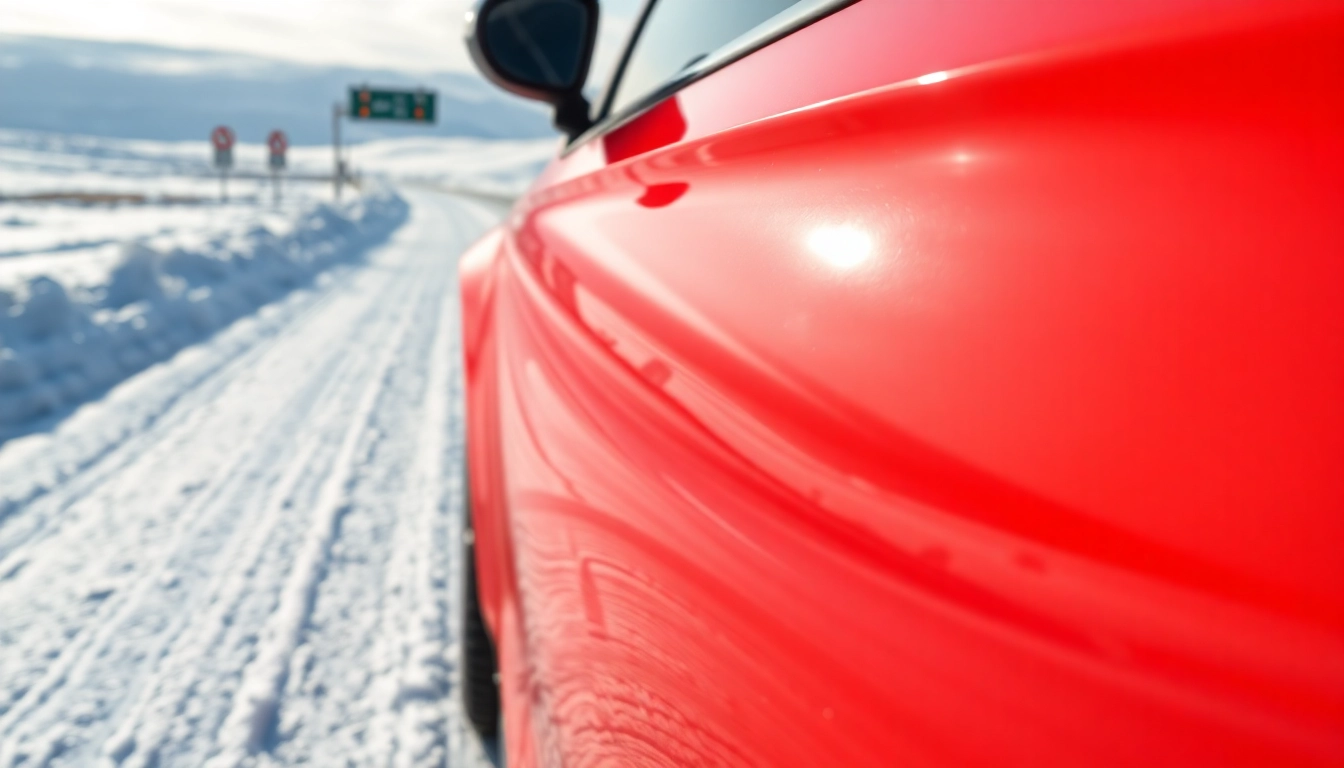
During winter months, road salt is commonly used to melt ice and snow, making roads safer but putting car exteriors at serious risk. When vehicles are exposed to road salt, the corrosive properties can lead to significant deterioration over time, causing rust and other forms of damage that can compromise the vehicle’s structural integrity and appearance. By investing in PPF, car owners can significantly reduce these negative effects, thus prolonging the life of their vehicle and maintaining its value.
How PPF Works in Winter Conditions
PPF works by creating a semi-permanent layer of protection that adheres to the vehicle’s paint surface. This layer acts as a shield against abrasions and corrosive materials. In winter, the benefits of PPF are magnified. Firstly, it prevents road salt from penetrating the paintwork, diminishing the likelihood of rust formation. Secondly, PPF’s self-healing capabilities allow minor scratches caused by debris on the road to disappear over time due to heat and direct sunlight exposure. This means that not only does PPF provide an initial deterrent against winter hazards, but it also fortifies the vehicle to withstand the challenges of the season effectively.
Benefits of PPF Winter Road Salt Protection
Protecting Against Corrosion
The primary advantage of applying PPF is its ability to protect against corrosion caused by road salt. Salt can accelerate rust formation, leading to extensive bodywork repairs and decreased vehicle longevity. By acting as a barrier, PPF not only mitigates the immediate risks posed by salt exposure but also contributes to long-term preservation, ensuring that the paint retains its integrity and luster.
Enhancing Vehicle Resale Value
A vehicle in pristine condition is substantially more appealing to prospective buyers. By investing in PPF, especially for winter road salt protection, owners can maintain their car’s aesthetic appeal and structural integrity. A well-maintained vehicle can command higher resale values, as potential buyers often prioritize condition when making purchasing decisions. The upfront cost of PPF can typically be outweighed by the increased value of the car at resale.
Maintaining Aesthetic Appeal
Beyond its protective qualities, PPF also enhances the aesthetic appearance of a vehicle. It provides a high-gloss finish that enhances the color and depth of the car’s paint job. This is particularly important during winter when road grime, salt, and other contaminants can dull a vehicle’s finish. Regularly maintained PPF ensures that your car looks its best year-round, regardless of the weather conditions.
Choosing the Right PPF for Winter Use
Types of PPF Materials
When selecting PPF for winter use, understanding the types of materials available is essential. Most films are made from either vinyl or polyurethane, with polyurethane being more elastic and durable. Additionally, some films are formulated specifically for higher gloss or matte finishes, allowing flexibility in aesthetic choices. Ensure you choose a PPF that has been specifically designed to withstand winter conditions for maximum efficacy.
Key Features to Look For
When selecting PPF, consider key features such as thickness, durability, UV resistance, and self-healing properties. A thicker film can provide better protection against impact and scratching, while UV resistance will prevent yellowing associated with prolonged exposure to sunlight. Films with self-healing properties can eliminate minor scratches, ensuring the film remains clear and performs optimally during the winter months.
Cost Considerations
The cost of PPF installation varies widely based on factors such as the vehicle type, film quality, and whether professional installation services are utilized. While it may seem like a significant investment upfront, the cost should be measured against potential repairs and depreciation costs associated with paint damage from winter road salt exposure. Additionally, many professional installers offer warranties that further justify the investment.
Installation Process for PPF Winter Road Salt Protection
DIY vs. Professional Installation
While some vehicle owners may consider a DIY approach to PPF installation, the precision required for optimal results generally necessitates professional experience. Professional installers possess the skills and tools to ensure that the film is applied correctly, minimizing the risk of bubbles and misalignment. Conversely, DIY installation can sometimes lead to improper application, resulting in long-term issues such as peeling or discoloration.
Tools and Materials Needed
If you opt for the DIY route, you’ll need specific materials and tools. Essential items include a quality PPF, a heat gun, a squeegee, detailing spray, a sharp blade, and microfiber towels. Additionally, a clean, dust-free environment is critical to achieving a successful installation and minimizing the risk of debris getting trapped under the film.
Steps for Effective Installation
To successfully apply PPF, start by thoroughly cleaning the surface of the vehicle. Next, position the film over the desired area and use a heat gun to mold it around curves and edges. Carefully squeegee out excess water and air bubbles. Trim any excess film and ensure the edges are properly adhered. Finally, inspect the installation for any imperfections.
Maintaining Your PPF in Winter
Cleaning Tips for PPF
Proper maintenance is essential for ensuring the longevity of your PPF. Regularly wash your vehicle using a pH-balanced car wash soap and soft mitts to avoid scratching the film. Avoid automatic car washes with brushes and opt for touchless washes or hand washing. Additionally, promptly remove any road salt residue to prevent premature degradation of the film’s surface.
Regular Inspections for Damage
Perform regular inspections of your PPF to catch any signs of damage early. Look for areas that may have peeled or developed bubbles. If any damage is noted, consult with a professional installer for assessment and potential repair. Catching issues early can often prevent more extensive and costly repairs in the future.
Common Mistakes to Avoid
Common pitfalls can compromise the effectiveness of PPF. Applying the film in inappropriate temperatures can affect adhesion. Additionally, neglecting to clean the surface before installation can lead to trapped debris, resulting in bubbles. Avoid using abrasive cleaners that can damage the film’s surface and always follow cleaning protocols to maintain optimal performance.
Frequently Asked Questions
How long does PPF last in winter conditions?
High-quality PPF can last up to 10 years or more, depending on maintenance and environmental factors. Proper care enhances its lifespan significantly.
Can I install PPF myself?
While DIY installation is possible, professional installation is recommended for the best results. It minimizes errors and ensures durability.
Does PPF affect my car’s paint warranty?
Most manufacturers allow PPF installation without voiding warranties, but it’s prudent to confirm with the manufacturer or dealer beforehand.
What happens if PPF gets damaged?
If PPF gets damaged, it can often be repaired or replaced without affecting the vehicle’s paint underneath. Consult a professional for assistance.
Is PPF removable, and will it damage the paint?
PPF is removable, and when done correctly by professionals, it should not damage your vehicle’s paint. Certain precautions ensure safe removal.