Understanding Metal Drawer System Essentials
What Is a Metal Drawer System?
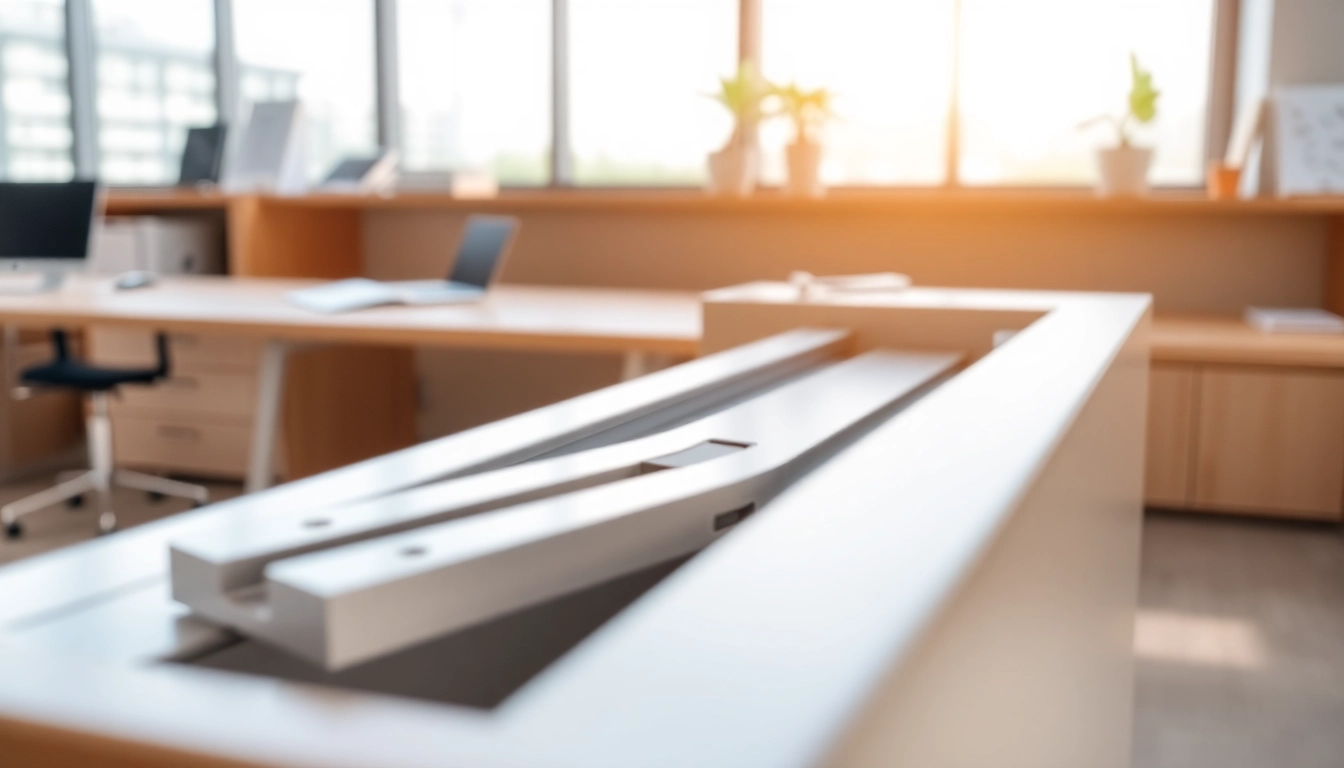
A Metal Drawer System forms an integral part of contemporary cabinetry and furniture, providing a sleek, durable solution for storage needs. These systems are designed to facilitate the smooth opening and closing of drawers, benefitting various applications in homes, offices, and industrial environments. They consist of metal runners and slides that support the drawer’s weight while allowing for seamless usability, thus enhancing overall functionality.
Key Features to Consider
When choosing a metal drawer system, several features should be evaluated:
- Slide Mechanism: Look for ball-bearing slides for smooth movement, especially under heavy loads.
- Weight Capacity: Check the maximum weight capacity to ensure it meets your storage needs.
- Finish: Consider durable finishes that resist scratches and corrosion, suitable for your setting.
- Adjustability: Some systems offer adjustable depths and widths to accommodate diverse drawer sizes.
- Soft-Closing Mechanism: This feature prevents slamming, providing a quieter operation.
Materials and Durability
Metal drawer systems are primarily constructed from various materials, including stainless steel, aluminum, and coated steel. Stainless steel offers robustness and resistance to rust, making it ideal for kitchens and moist environments. Aluminum is lightweight yet strong, suitable for applications where weight savings are crucial. Coated steel provides protection from scratches and environmental factors, extending the lifespan of the drawer system. Understanding the materials helps in selecting the right Metal Drawer System based on the specific requirements of your environment.
Benefits of Using Metal Drawer System
Enhanced Storage Efficiency
Metal drawer systems improve storage efficiency by maximizing the use of available space. Their robust design can accommodate more weight without compromising movement, allowing for optimal organization of tools, office supplies, or kitchen items. The incorporation of features like dividers and soft-closing mechanisms enhances accessibility, helping individuals quickly retrieve stored items while maintaining order.
Long-lasting Durability
The longevity of a Metal Drawer System is one of its defining characteristics. Constructed from high-quality metal materials, these systems withstand the rigors of daily use. Their resistance to wear-and-tear, rust, and dents ensures that they remain functional and visually appealing over many years, making them a cost-effective storage solution.
Design Versatility
Metal drawer systems are versatile in design, easily integrating into various styles and aesthetics. Whether modern, industrial, or traditional, these systems can be customized in terms of color, finish, and accessory options. This adaptability allows individuals and businesses to maintain a consistent look throughout their space, making storage not only functional but also attractive.
Installation Guide for Metal Drawer System
Tools Required for Installation
Before installation, gather the necessary tools to ensure a smooth process:
- Drill and drill bits
- Screwdriver (both flat-head and Phillips)
- Measuring tape
- Level
- Pencil for marking
- Clamps to hold components while assembling
Step-by-Step Installation Process
Follow these steps to effectively install your metal drawer system:
- Measure: Start by measuring the cabinet or space where the drawers will be installed to ensure precise fitting.
- Mark Drill Points: Using a pencil, mark where the mounting hardware will be attached.
- Drill Holes: Carefully drill holes for screws and mounts as per your measurements.
- Install Slides: Attach the side-mounted slides to the drawer box, ensuring they are level.
- Attach the Drawer: Slide the drawer onto the mounted hardware, checking for proper alignment and movement.
- Adjustments: Make necessary adjustments to ensure the drawer opens and closes smoothly.
Common Installation Mistakes to Avoid
To achieve a successful installation, stear clear of these common mistakes:
- Improper measurements leading to a misfit.
- Neglecting to ensure that everything is level, which affects drawer functionality.
- Forgetting to securely fasten screws, which could lead to instability.
- Not testing the drawer’s movement before finalizing the installation.
Maintenance Tips for Metal Drawer System
Routine Cleaning Techniques
Maintaining your metal drawer system is crucial for longevity. Regularly clean the surfaces using a soft cloth and a mild cleaner to remove dust, grime, and potential contaminants. Avoid abrasive materials that can scratch the surface. For internal components, ensure no debris accumulates to maintain sliding efficiency.
Addressing Common Issues
Common issues with metal drawer systems include sticking drawers, squeaking noises, and misalignment. To address sticking, lubricate the slides with a silicone spray. Squeaking can often be solved by tightening screws or applying a lubricant. If drawers are misaligned, check and adjust the attachment points as necessary.
When to Replace Components
Components of your Metal Drawer System should be replaced when they exhibit significant wear, such as bent tracks or rusted parts. If the drawer no longer opens smoothly, it may be time to assess the components for replacement to maintain functionality and safety.
Frequently Asked Questions about Metal Drawer System
What weight capacity should I expect?
The weight capacity varies by design, typically ranging from 50 to 100 pounds, depending on the model.
Can I customize the metal drawer system?
Yes, many manufacturers offer customization options for sizes, colors, and finishes to fit your specific needs.
Is installation easy for a DIYer?
With the right tools and a manual, installing a metal drawer system can be manageable for most DIY enthusiasts.
How do I maintain the metal drawer system?
Regularly clean the surfaces and check for loose screws or hinges to ensure smooth operation and longevity.
Are metal drawer systems eco-friendly?
Many metal drawer systems are made from recyclable materials and have longer lifespans than alternatives, reducing waste.