Understanding Hallway Lighting Fixtures
When it comes to the design of a home, lighting can often be an overlooked element, particularly in hallways where functionality is key. However, the right hallway lighting fixtures can transform an otherwise mundane space into a stylish and welcoming area. This comprehensive guide delves into the essential aspects of hallway lighting, from the different types and styles available to installation tips and energy efficiency options.
What Are Hallway Lighting Fixtures?
Hallway lighting fixtures refer to various lighting solutions specifically designed to illuminate corridors, hallways, and other transitional spaces in a home. These fixtures not only provide necessary visibility for safety and functionality but also contribute to the overall aesthetic appeal of your home. Available in numerous designs, these fixtures range from ceiling-mounted lights to wall sconces, tailored to meet diverse needs and preferences.
Types of Hallway Lighting Fixtures
The versatility of hallway lighting fixtures allows homeowners to select from multiple types based on their specific space requirements, personal style, and desired ambience:
- Flush Mount Fixtures: These fixtures are mounted directly against the ceiling, making them ideal for low-ceiling hallways. They provide overall illumination without taking up too much space.
- Pendant Lights: Suspended from the ceiling, pendant lights add a statement piece in larger hallways. They’re available in various styles and can provide focused light or general illumination.
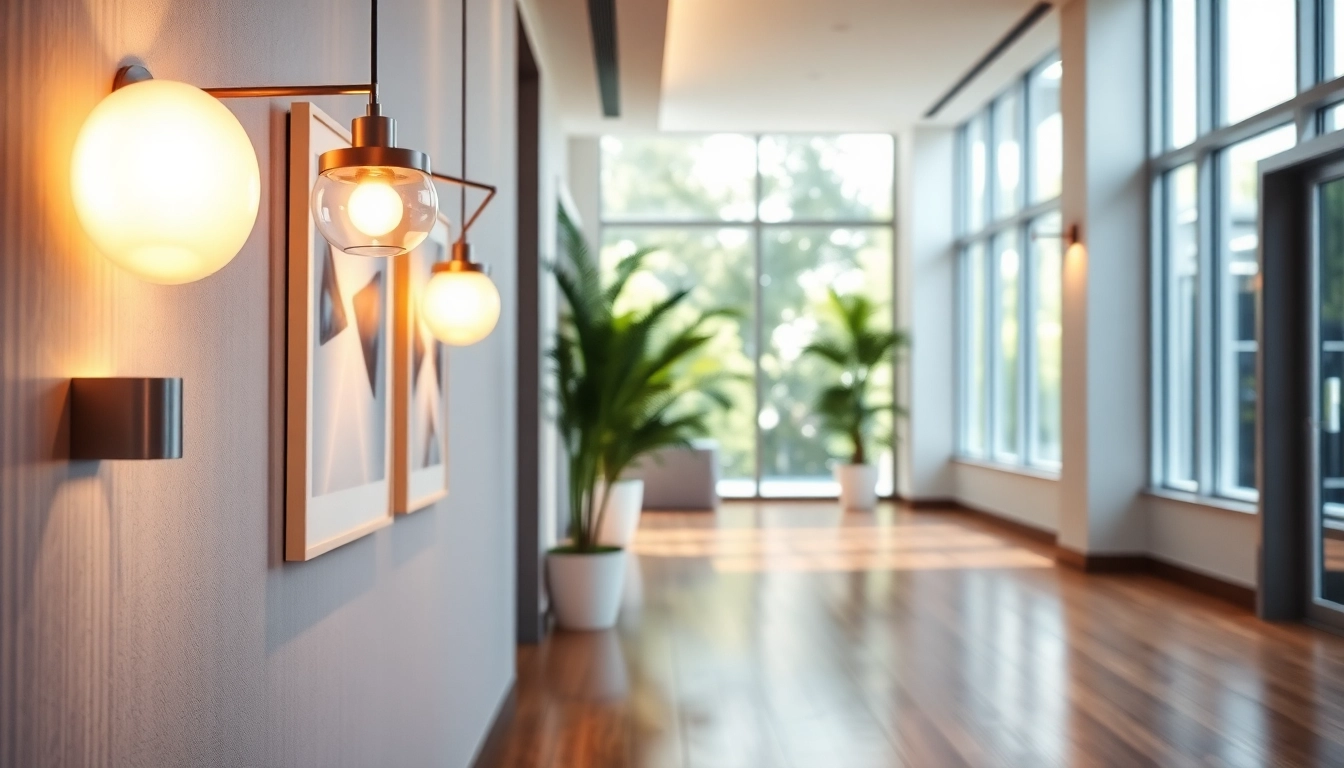
- Wall Sconces: Mounted on walls, sconces provide attractive lighting options that can double as decorative elements. They are perfect for soft illumination and can be placed at eye level for maximum effect.
- Recessed Lighting: Installed within the ceiling, recessed lights offer a sleek look and can be strategically placed to highlight artwork or architectural features in the hallway.
- Track Lighting: Versatile and adjustable, track lighting can be directed to different areas, making it suitable for longer hallways or spaces requiring varied light angles.
Choosing the Right Style for Your Hallway
When selecting hallway lighting fixtures, consider the overall style and decor of your home. Modern homes may benefit from sleek, minimalist fixtures, while traditional homes might call for ornate chandeliers or classic sconces. Additionally, the fixture’s finish—be it brass, chrome, or matte black—should complement existing features like door hardware and cabinetry. Finally, don’t overlook the importance of scale; larger hallways can handle bigger fixtures, while smaller spaces require more compact options.
Benefits of Proper Hallway Lighting
The importance of appropriate lighting in hallways extends beyond aesthetics; it enhances safety, mood, and overall home appeal.
Improving Safety and Visibility
One of the primary functions of hallway lighting fixtures is to ensure safety by providing clear visibility in otherwise dim or narrow spaces. Adequate lighting helps prevent accidents, particularly in high traffic areas where visibility may be limited. Installing lights that effectively illuminate the entire length of the hallway can significantly diminish the risk of tripping or bumping into obstacles.
Setting the Mood in Your Home
Lighting can dramatically influence the atmosphere of your home. Soft, warm lights can create a calming and inviting feel, while brighter, cooler lights may evoke a more energetic and alert environment. By utilizing dimmers or layered lighting—combining fixtures for task, ambient, and accent lighting—you can tailor the mood of your hallway to meet various needs and occasions.
Enhancing Home Aesthetics with Hallway Lighting Fixtures
Well-chosen hallway lighting fixtures serve as decorative elements that can enhance the architectural features of your home. They can highlight artwork, accentuate design lines, and make a statement in their own right. With a wide variety of styles available, homeowners have numerous opportunities to enhance their home’s visual appeal through strategic lighting choices.
Installation and Placement Tips
The effectiveness of hallway lighting is heavily influenced by proper installation and placement. Below are key considerations to ensure the best results.
Where to Place Hallway Lighting Fixtures
To achieve optimal lighting, fixtures should be placed according to the flow and use of the space. For overhead fixtures, aim to install them approximately 7 feet from the floor to allow for sufficient clearance. Wall sconces should be installed about 5 to 6 feet above the floor for the best illumination without glare. In longer hallways, consider placing lights every 8 to 10 feet to maintain uniformity.
Installation Best Practices
When installing your hallway lighting fixtures, always consult the manufacturer’s instructions and ensure you have the right tools for the job. If working with electrical wiring, it’s crucial to turn off the circuit breaker. For safety, consider hiring a professional electrician, especially for complex installations or when working with older homes’ wiring.
Considering Ceiling Height and Room Dimensions
The height of your ceilings significantly influences your choice of fixtures. For low ceilings, opt for flush mount or recessed lighting to avoid a cramped feeling. Higher ceilings can accommodate more substantial fixtures, such as chandeliers or pendant lights, which can add drama to a spacious hallway. Always balance the size and scale of the fixtures with the dimensions of the room for a harmonious look.
Energy Efficiency and Eco-Friendly Options
In today’s world, energy efficiency is a crucial consideration in lighting design. Homeowners can select energy-efficient fixtures that reduce utility costs and environmental impact.
Choosing LED Hallway Lighting Fixtures
LED hallway lighting fixtures are an excellent choice for their longevity and low energy consumption. They use significantly less power than traditional incandescent bulbs, offering substantial savings over time. Furthermore, LEDs emit less heat, making them safer and more comfortable for indoor environments.
Understanding Energy Ratings
When selecting lighting fixtures, it’s essential to pay attention to energy ratings. Look for fixtures that have an ENERGY STAR label, which indicates the product meets strict energy efficiency guidelines. Understanding wattage and lumens will also help in selecting fixtures that provide adequate light without excessive power use.
Cost-Effectiveness of Eco-Friendly Fixtures
Although eco-friendly fixtures may have a higher upfront cost, they typically offer savings in energy bills over time. By choosing energy-efficient options, homeowners can also benefit from reduced maintenance and replacement costs due to the longer lifespan of these products. This sustainable choice pays off not just environmentally, but financially as well.
Maintaining Your Hallway Lighting Fixtures
Proper maintenance of hallway lighting fixtures is crucial to extend their lifespan and ensure optimal performance. Below are some helpful maintenance tips.
Regular Cleaning and Upkeep
Dirt and dust can accumulate on lighting fixtures, affecting their brightness and overall appearance. Regularly clean your fixtures using a soft, dry cloth and a gentle cleaner that’s suitable for the material. Ensure that you turn off the power to the fixtures before cleaning to prevent any accidents.
Troubleshooting Common Issues
If fixtures flicker or fail to illuminate, start by checking the bulb. Ensure it’s correctly installed and compatible with the fixture. If the issue persists, inspect the wiring and connections. When in doubt, enlist a professional electrician to troubleshoot more complex electrical problems.
When to Replace Your Fixtures
Lighting fixtures can wear out over time. Signs that it may be time to replace your hallway lighting fixtures include inconsistent brightness, flickering lights, or outdated styles that no longer fit your home’s aesthetic. Regularly assess your lighting to determine if a change is needed, keeping in mind both functionality and decor.
Frequently Asked Questions
1. What are the best types of hallway lighting fixtures?
The best types depend on your hallway’s size and decor. Options include flush mounts, pendant lights, wall sconces, and recessed lights.
2. How do I improve hallway lighting?
Improve hallway lighting by choosing multiple fixtures, ensuring good placement, and using dimmer switches for adjustable brightness.
3. Are LED hallway lighting fixtures a good choice?
Yes, LED fixtures are energy-efficient, long-lasting, and provide excellent illumination while reducing electricity costs.
4. How high should I install hallway lighting fixtures?
Ceiling fixtures should be about 7 feet above the floor, while wall sconces are best placed 5 to 6 feet high for optimal lighting.
5. When should I replace my hallway lighting fixtures?
Consider replacing fixtures when they flicker, fail to illuminate, or when your decor style changes, affecting their visual coherence.