
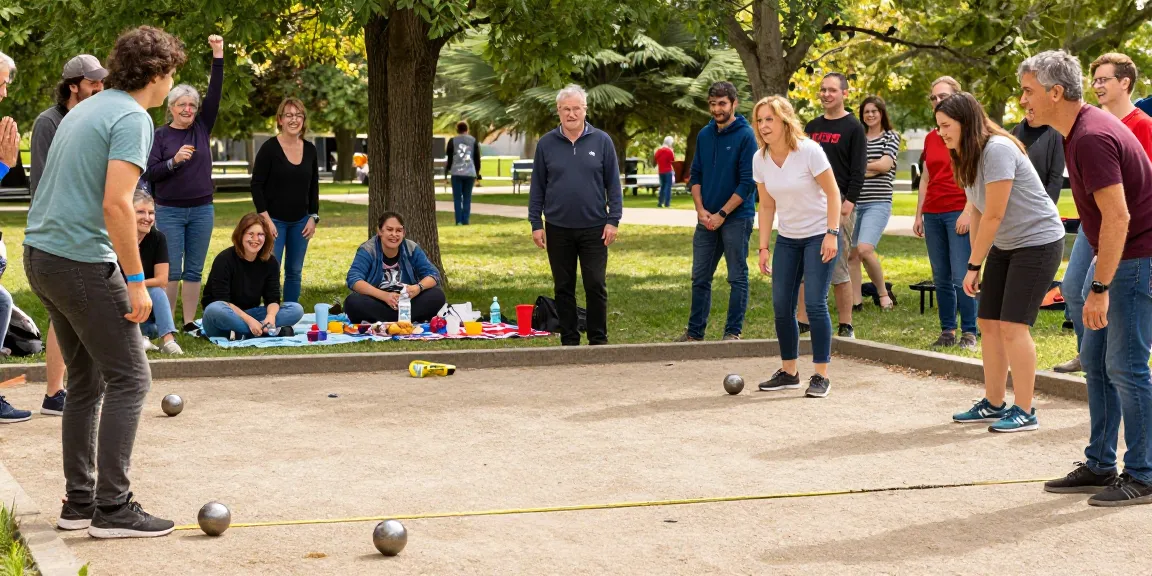
Understanding the Basics of Petanque
Petanque, a captivating sport originating from France, has gradually made its way into the hearts of sports enthusiasts in Indonesia, particularly in Kendari. This strategic game combines elements of skill, precision, and social interaction, making it accessible and enjoyable for players of all ages. In Indonesia, organizations such as fopikotakendari.org play a crucial role in promoting and developing the sport, ensuring that both new and experienced players can engage and evolve. Understanding the essentials of petanque is the first step for anyone interested in this exciting game.
What is Petanque?
Petanque is a form of boules where the objective is to throw metal balls as close as possible to a small target ball called the “cochonnet” or jack. Each game typically involves two teams, with a variety of formats such as singles, doubles, or triples. The charm of petanque lies in its simplicity; it requires minimal equipment and can be played on a variety of surfaces, from sand to gravel. This flexibility allows it to be enjoyed in both casual settings and competitive environments.
Historical Background of Petanque in Indonesia
The introduction of petanque in Indonesia is a story woven into the fabric of cultural exchange. Although the exact timeline remains unclear, it is widely believed that the sport was brought to the archipelago by French expatriates. Locations like Jakarta, Yogyakarta, and Bali served as the early playgrounds for this activity, initially confined to expatriate communities. Notably, the sport gained traction when Eddie Lim, a Singaporean, learned petanque in Ancol, Jakarta, during the 1990s and later introduced it to Singapore. A significant milestone for petanque in Indonesia occurred in 2011, when it was included as a mandatory sport in the SEA Games hosted in Jakarta and Palembang. This event marked the formal establishment of the Federasi Olahraga Petanque Indonesia (FOPI), dedicated to fostering competitive and recreational petanque.
Key Rules and Regulations to Know
For those venturing into the world of petanque, familiarizing oneself with the fundamental rules is essential. Each match begins with the toss of the cochonnet, followed by players taking turns to throw their boules. Points are awarded based on proximity to the cochonnet at the end of each round. Matches may vary in length, but the aim remains consistent: to reach a predetermined score, usually 13, 15, or 21 points. Understanding these rules not only enhances gameplay but also enriches the overall experience for participants.
Common Challenges Faced by Petanque Athletes
While the sport is engaging and accessible, petanque athletes often encounter various challenges as they strive to improve their skills and performance. Recognizing these obstacles is crucial for both recreational and competitive players, as it paves the way for effective strategies to overcome them.
Physical Limitations and Injury Prevention
Physical limitations can arise for various reasons, from age to prior injuries, potentially hindering performance. To counteract these challenges, athletes should prioritize injury prevention through proper warm-ups, stretching, and conditioning programs. Additionally, maintaining a balanced diet and scheduling adequate rest can significantly help in managing physical demands.
Mental Barriers and Performance Anxiety
Performance anxiety is a common mental challenge that many athletes face. The pressure to succeed can lead to self-doubt, affecting concentration and overall performance. Techniques such as visualization, breathing exercises, and mental rehearsals can assist players in overcoming these barriers. Developing a strong mental game is just as important as physical skill in achieving success in petanque.
Competition Pressure and Expectations
The competitive landscape of petanque can induce stress, particularly for athletes aiming for high-level tournaments. Understanding how to manage expectations—both from oneself and others—can alleviate pressure. Emphasizing personal growth over external validation can lead to a more enjoyable experience and sustained engagement with the sport.
Effective Strategies for Overcoming Setbacks
Setbacks are a natural part of any sport, including petanque. However, developing effective strategies to handle these challenges can enhance both skill and mental resilience.
Implementing Mindfulness and Focus Techniques
Incorporating mindfulness into training can help players remain present and focused during competition. Techniques such as meditation, journaling, and progressive muscle relaxation can promote mental clarity and enhance performance under pressure.
Practicing Recovery and Rehabilitation
After setbacks, whether they are due to injury or performance disappointment, recovery practices are vital. Athletes should engage in rehabilitation exercises tailored to their needs, alongside active recovery methods like swimming or light jogging to maintain fitness levels while recuperating.
Creating a Supportive Training Environment
Building a supportive community around petanque not only helps in overcoming challenges but also fosters camaraderie among players. Training in groups can provide motivation, constructive feedback, and shared learning experiences that enhance skill development.
Building a Community Around Petanque
Creating a vibrant petanque community is essential for the sport’s growth, particularly in regions like Kendari. By engaging with one another, players can share insights, experiences, and resources.
Leveraging Social Connections for Support
Social connections can significantly impact a player’s journey in petanque. Forming friendships and alliances allows athletes to share strategies, training tips, and emotional support during competitions. Utilizing social media platforms and local sports groups can facilitate these connections.
Engaging with Local Petanque Clubs and Events
Active participation in local clubs and events offers players valuable opportunities for practice and competition. FOPI Kota Kendari serves as a central hub for coordinating activities and tournaments, promoting the sport at both grassroots and competitive levels.
Utilizing Online Resources from fopikotakendari.org
Online resources can provide petanque players with extensive knowledge on techniques, training drills, and competition strategies. Websites like fopikotakendari.org serve as an excellent platform for athletes to learn and connect, ensuring they have access to the latest developments in the sport.
The Future of Petanque in Indonesia
As petanque continues to gain recognition in Indonesia, the future looks promising for both players and fans. Emerging trends in the sport, along with a growing community, suggest potential growth and development on both local and national stages.
Emerging Trends and Innovations in the Sport
As interest in petanque grows, there are opportunities for innovation in training methodologies, game formats, and event organization. This evolution can attract new players and sponsors, further enhancing the visibility of petanque in Indonesia.
Potential for Growth and Recognition in 2026
Looking ahead to 2026, petanque has the potential to become a more recognized sport across Indonesia. With the right support from organizations like FOPI and involvement from local communities, we can expect increased participation and even representation at international competitions.
How to Get Involved with fopikotakendari.org Initiatives
Getting involved with activities and initiatives from fopikotakendari.org is an excellent way for new and seasoned players to contribute to the growth of petanque in Kendari. Participating in events, volunteering, or simply spreading awareness about the sport can significantly impact its future.
What are the basic rules of petanque?
The basic rules revolve around throwing metal balls towards the cochonnet, maintaining strategic positioning, and scoring based on proximity. Players can learn these rules through official guidelines and local resources.
How can I improve my petanque skills?
Improvement comes from consistent practice, attending workshops, and engaging with more experienced players. Analyzing one’s gameplay and integrating feedback can also accelerate skill development.
What resources does fopikotakendari.org provide for players?
FOPI Kota Kendari offers a wealth of resources, including training materials, local tournament updates, and community events aimed at fostering improvement and participation in petanque.
How can I find local petanque tournaments?
Local tournaments can often be found through community boards, social media groups, and websites like fopikotakendari.org, which regularly update information regarding upcoming events.
What should I do if I experience performance anxiety?
If performance anxiety occurs, employing relaxation techniques, engaging in mental conditioning, and reframing competitive experiences as opportunities for growth can be beneficial. Seeking support from fellow players can also provide relief and perspective.