
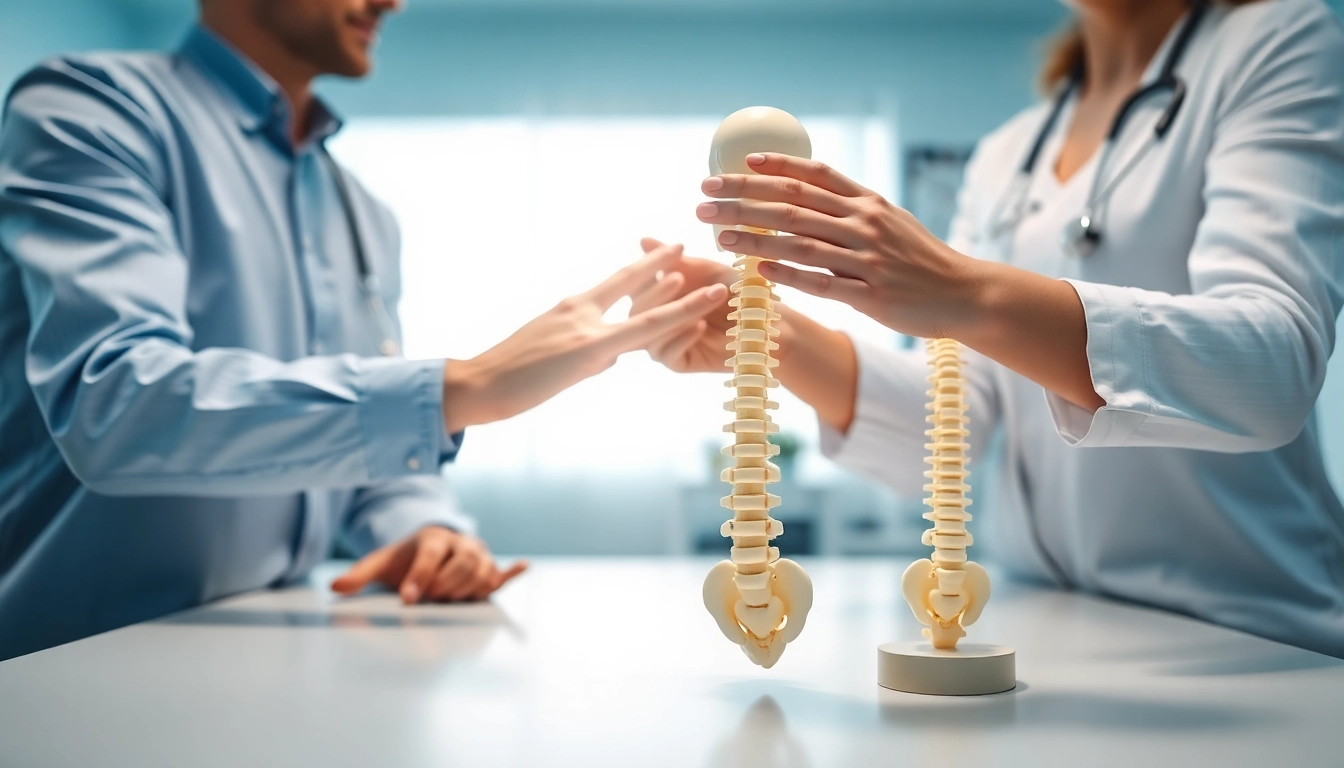
Understanding Lower Back Pain Causes
Lower back pain is one of the most common medical complaints, affecting people of all ages. Understanding lower back pain causes is crucial for not only alleviating current discomfort but also for preventing future issues. This understanding begins with familiarizing oneself with the various medical conditions, lifestyle factors, and postural issues that can lead to pain in the lower back. By identifying these causes, individuals can take proactive steps to maintain their spinal health.
Common Medical Conditions
Medical conditions play a pivotal role in causing lower back pain. Some of the most common conditions include:
- Herniated Discs: A herniated disc occurs when the soft tissue between vertebrae bulges or ruptures, leading to nerve compression and pain.
- Degenerative Disc Disease: As we age, our discs naturally degenerate, losing hydration and elasticity, which can cause pain and discomfort.
- Osteoarthritis: This degenerative joint disease can affect the lower back, leading to inflammation and pain.
- Spinal Stenosis: This condition involves the narrowing of the spinal canal, which can squeeze nerves and cause significant pain.
- Sciatica: The sciatic nerve can become irritated, often due to a herniated disc, leading to radiating pain down the legs.
By being aware of these conditions, individuals can better understand their symptoms and seek appropriate medical advice early on.
Physical and Lifestyle Factors
Many lifestyle choices and physical activities contribute to lower back pain. Common factors include:
- Obesity: Extra weight can put additional strain on the lower back, exacerbating pain and discomfort.
- Sedentary Lifestyle: Lack of physical activity can lead to weakened core muscles, reducing support for the spine.
- Poor Nutrition: Diets lacking essential nutrients can contribute to weakened bones and muscles.
- Smoking: This habit can impair blood flow, affecting the spinal structures and healing processes.
Recognizing these factors encourages individuals to make lifestyle adjustments that can mitigate the risk of lower back pain.
Postural Issues and Their Impact
Posture significantly impacts spinal health. Poor posture while sitting, standing, or sleeping can lead to misalignments and strain on the lower back. Here are some impactful postural issues:
- Slouching: This common posture puts undue pressure on the spine, leading to muscle fatigue and discomfort.
- Inadequate Lumbar Support: Poor seating arrangements can exacerbate lower back pain, particularly during prolonged sitting.
- Improper Lifting Techniques: Lifting heavy objects without proper form can lead to acute injuries.
Improving posture and using ergonomic setups can significantly reduce the risk associated with postural issues.
How to Evaluate Your Lower Back Pain
Understanding the specifics of your lower back pain is essential for effective evaluation and treatment. This includes recognizing symptoms, knowing when to seek medical help, and understanding diagnostic techniques that may be employed.
Symptoms to Watch For
Recognizing the symptoms of lower back pain can aid in a more accurate assessment. Key symptoms include:
- Aching or sharp pain in the lower back area.
- Pain that radiates down the legs.
- Numbness or tingling in the legs or feet.
- Difficulty standing up straight or moving freely.
Identifying when these symptoms develop and their intensity is crucial for understanding the underlying cause of pain.
When to Seek Medical Help
Consulting a healthcare professional is vital when experiencing:
- Pain that lasts more than a few weeks.
- Severe pain that does not improve with rest.
- Pain after a significant injury.
- Loss of bowel or bladder control.
Early intervention can lead to better outcomes and prevent complications.
Diagnostic Techniques
Healthcare providers may use several diagnostic techniques to understand the cause of back pain. Common methods include:
- X-rays: To view bone structure and identify fractures or misalignments.
- MRIs: To obtain detailed images of soft tissues, including discs and nerves.
- CT Scans: Providing a more comprehensive view of the spine’s condition.
- Electromyography (EMG): To assess nerve function and identify any nerve damage.
Choosing the right diagnostic approach helps in formulating an effective treatment plan.
Preventive Measures for Lower Back Pain
Preventing lower back pain is possible through dedicated lifestyle choices and practices. Here are essential preventive measures to consider:
Importance of Regular Exercise
Engaging in regular physical activity is a key component in preventing lower back pain. Exercise strengthens core muscles, improves flexibility, and enhances overall fitness, all contributing to back health. Suggested exercises include:
- Core Strengthening: Exercises like planks and bridges boost core stability.
- Stretching: Activities such as yoga improve flexibility and spinal alignment.
- Aerobic Exercises: Walking or swimming promote overall fitness without straining the back.
A consistent exercise routine can greatly reduce the incidence of lower back pain.
Maintaining Proper Posture
Maintaining good posture is crucial in preventing lower back pain. Specific tips include:
- Adjust your desk setup to ensure your computer screen is at eye level.
- Use chairs that provide lumbar support.
- Practice standing tall with shoulders back and engage your core.
Regular reminders to adjust posture throughout the day can significantly enhance spinal health.
Ergonomic Workspaces
Creating an ergonomic workspace can minimize the risk of lower back pain. Consider the following:
- Invest in adjustable furniture, such as desks and chairs.
- Position frequently-used items within easy reach to reduce straining.
- Introduce movement breaks into your workday to stretch and reset your posture.
An ergonomic workspace fosters longevity and productivity without compromising health.
Treatment Options for Lower Back Pain
When prevention fails and pain occurs, exploring treatment options is the next step. Treatment approaches vary by the underlying cause of the pain and can be broadly categorized into conservative management strategies, medications, and physical therapy.
Conservative Management Strategies
Many individuals experience pain relief through conservative strategies such as:
- Rest: Allowing the back to recover by limiting movement can be beneficial.
- Heat and Cold Therapy: Alternating heat and cold packs can reduce inflammation and pain.
- Weight Management: Losing excess weight can alleviate stress on the back.
Implementing these strategies may lead to significant pain reduction.
Medications and Alternatives
For pain relief, individuals may consider the following medications and alternatives:
- Over-the-Counter Pain Relievers: Non-steroidal anti-inflammatory drugs (NSAIDs) can help manage pain.
- Muscle Relaxants: These can alleviate muscle spasms that contribute to pain.
- Alternative Therapies: Practices such as acupuncture or chiropractic adjustments may provide relief.
Working with a healthcare provider ensures safe and effective use of these options.
Physical Therapy Benefits
Physical therapy can play a crucial role in recovery from lower back pain by focusing on rehabilitation, strengthening, and mobility. Benefits include:
- Personalized Exercise Plans: Tailored routines that address specific weaknesses.
- Manual Techniques: Hands-on methods for reducing pain and improving mobility.
- Education: Learning proper body mechanics and movements to prevent re-injury.
Physical therapists provide valuable insights that facilitate long-term recovery and wellness.
Frequently Asked Questions About Lower Back Pain
What are the leading causes of lower back pain?
Common causes include herniated discs, degenerative disc disease, muscle strains, arthritis, and spinal stenosis, among others.
Can lower back pain be prevented?
Yes, prevention is possible through regular exercise, maintaining a healthy weight, practicing good posture, and using ergonomic furniture.
How long does lower back pain typically last?
Lower back pain can vary in duration, ranging from a few days to several weeks, depending on the underlying cause and treatment approach.
Should I see a doctor for lower back pain?
Consulting a doctor is advisable if pain persists for weeks, is severe, or is accompanied by other alarming symptoms.
Are there exercises to alleviate lower back pain?
Yes, exercises like pelvic tilts, gentle stretching, and core-strengthening workouts can help alleviate lower back pain.