
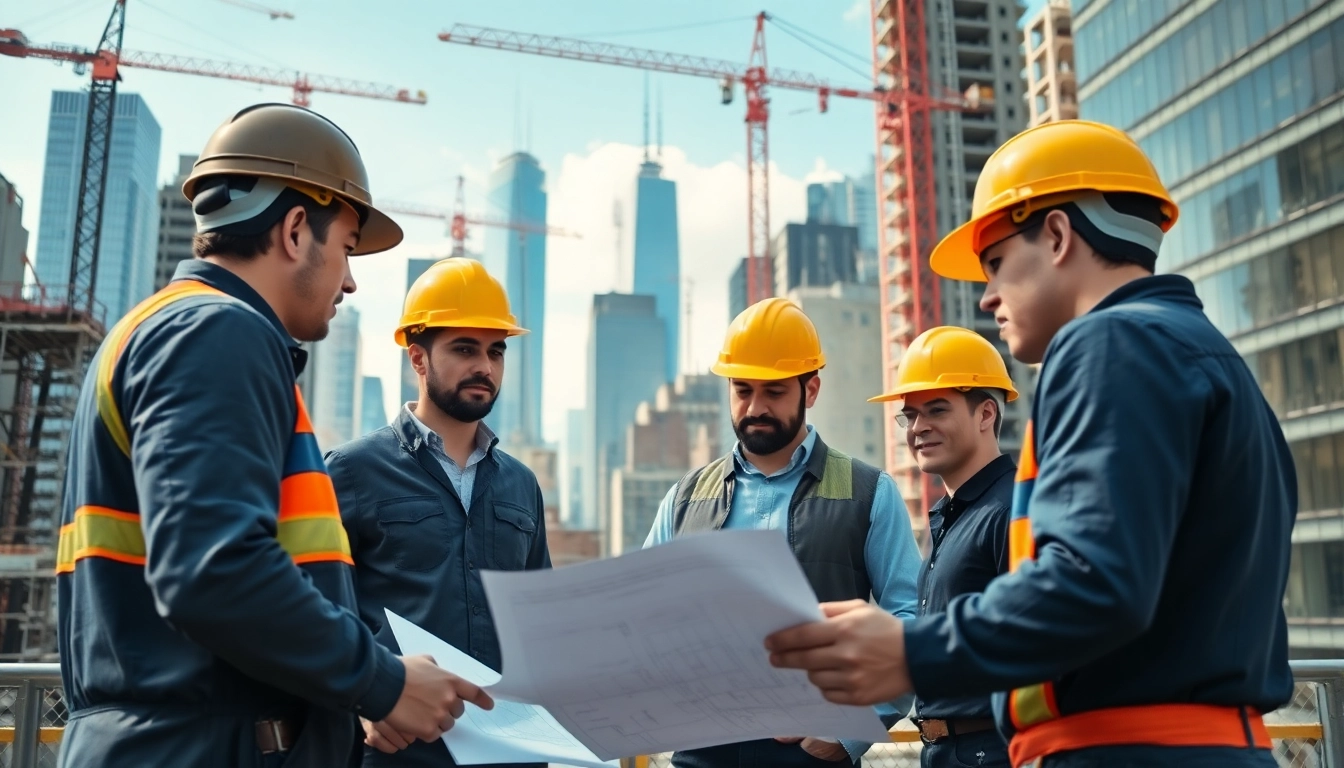
Introduction to New York City Commercial General Contractor
In the bustling environment of New York City, where skyscrapers tower above and construction sites dot the landscape, the role of a New York City Commercial General Contractor is vital. These professionals oversee a multitude of construction projects, ensuring that each one is completed on time, within budget, and to code. As the backbone of construction endeavors, commercial general contractors are central to shaping the city’s architectural landscape.
Understanding the Role and Functions
The primary function of a commercial general contractor is to manage the day-to-day operations of construction projects. This includes hiring workers, acquiring materials, scheduling, and ensuring compliance with local laws and safety regulations. General contractors serve as the primary point of contact between all parties involved—clients, architects, engineers, and subcontractors. Their ability to coordinate diverse teams and tasks ensures smooth project progression.
Importance of General Contractors in NYC
New York City is known for its complex and high-stakes construction environment. The role of general contractors is amplified here due to the sheer scale and intricacy of projects. They are critical in managing the fast-paced workflow, mitigating risks, and adapting to changes. These professionals help maintain timelines, which is essential in a city where delays can significantly increase costs. The expertise of general contractors also ensures that the final product meets the aesthetic and functional standards expected in NYC.
Key Challenges Faced in Urban Projects
Urban projects in New York City come with unique challenges. Space constraints, stringent regulations, and the necessity for careful scheduling due to various city ordinances can complicate construction. General contractors must be adept at problem-solving and quick decision-making to navigate issues such as noise restrictions, traffic management, and emergency responses. Additionally, they must ensure that their projects do not disrupt the daily lives of the neighborhoods in which they operate.
Essential Skills for Successful General Contractors
Leadership and Management Skills
Effective leadership is fundamental for a commercial general contractor. They must guide diverse teams, ensuring that everyone collaborates effectively towards a common goal. Management skills are equally important, involving project budgeting, compliance, and resource allocation. Building a strong team and fostering a positive work environment can significantly contribute to project success.
Communication and Negotiation Techniques
The ability to communicate clearly and negotiate effectively is critical for general contractors. They must liaise between clients, architects, and subcontractors, articulating project goals and expectations accurately. Strong negotiation skills ensure that contractors can secure the best deals and manage conflicts constructively when they arise.
Technical Knowledge in Construction
A deep understanding of construction processes, materials, and building codes is essential. General contractors must stay updated on the latest construction techniques and materials to provide safe and high-quality projects. Understanding architectural plans and specifications allows them to manage compliance with local regulations effectively.
Navigating the Regulatory Landscape
Building Codes and Compliance in NYC
New York City has some of the most stringent building codes in the nation. General contractors must fully understand these codes to ensure compliance, reducing the risk of penalties and delays. Familiarity with the NYC Building Code guides contractors in adhering to safety standards, environmental regulations, and zoning laws. This knowledge not only protects the safety of the workers and future occupants but also upholds the integrity of the project.
Permit Processes for Construction Projects
Navigating the permit process in New York City can be time-consuming and complex. General contractors must efficiently acquire the necessary permits before commencing construction, which can involve multiple city agencies. This requires meticulous planning and an understanding of the various types of permits required, such as demolition and construction permits, to ensure compliance from the start.
Environmental Regulations Impacting Construction
With increasing awareness of environmental issues, general contractors in NYC must also navigate various environmental regulations. Compliance with the New York State Environmental Quality Review Act (SEQR) and local sustainability initiatives is crucial. Contractors are often required to implement green building practices, focusing on sustainability, which can enhance project marketability and long-term value.
Best Practices for Project Management
Effective Budgeting and Financial Management
Successfully managing project budgets is crucial for contractors. This involves not only ensuring that costs stay within the proposed limits but also anticipating possible overruns and planning contingencies. Effective financial management practices can include using project management software to track expenses and forecasts accurately, allowing for informed financial decisions throughout the project lifecycle.
Timeline Planning and Resource Allocation
Setting realistic timelines and effectively allocating resources can significantly influence a project’s success. General contractors should implement systematic scheduling that considers potential delays from weather or supply chain issues. Using tools like Gantt charts or project management software can help visualize timelines and monitor progress against goals.
Risk Management Strategies
Risk management is a critical aspect of project management. General contractors must identify potential risks early, ranging from safety hazards to financial uncertainties. By developing robust contingency plans and maintaining open communication with all stakeholders, contractors can mitigate risks and respond effectively to unforeseen challenges, ensuring the project stays on track.
Future Trends in New York City Construction
Adoption of Sustainable Building Practices
The demand for sustainable building practices is on the rise in New York City, reflecting a broader shift towards environmental responsibility. General contractors who incorporate green technologies and sustainable practices not only comply with regulations but also appeal to eco-conscious clients. This includes using sustainable materials, reducing waste, and implementing energy-efficient systems within buildings.
Technological Advances in Construction
Technology is transforming the construction industry. Advances such as Building Information Modeling (BIM), project management software, and drones are beginning to change the way contractors operate. These technologies improve efficiency, enhance communication, and provide better oversight on construction sites. Embracing these innovations allows general contractors to remain competitive and improve project outcomes.
Urban Development and Its Impact on Contractors
As urban development continues in New York City, general contractors must adapt to changing landscape demands. This includes an increased focus on mixed-use developments and infill projects. Understanding urban planning trends helps contractors align their strategies with future demands, ensuring that they can capitalize on upcoming opportunities in the market.
FAQs
What does a New York City commercial general contractor do?
A New York City commercial general contractor manages construction projects, overseeing everything from planning and budgeting to hiring subcontractors and ensuring compliance with building codes.
How do regulations affect construction projects in NYC?
New York City regulations dictate safety, zoning, and environmental standards that contractors must follow. Non-compliance can lead to fines and project delays.
What should I look for in a general contractor?
When choosing a general contractor, consider their experience, reputation, portfolio, and ability to communicate and manage projects effectively, along with their knowledge of local regulations.
How can I prepare for a construction project in NYC?
To prepare for a construction project in NYC, define your project goals, establish a budget, research potential contractors, and ensure all necessary permits and regulations are understood before beginning.
What trends are shaping the future of construction in NYC?
Current trends include a focus on sustainability, the integration of advanced construction technologies, and adapting to urban development needs to meet the demands of future construction projects.