
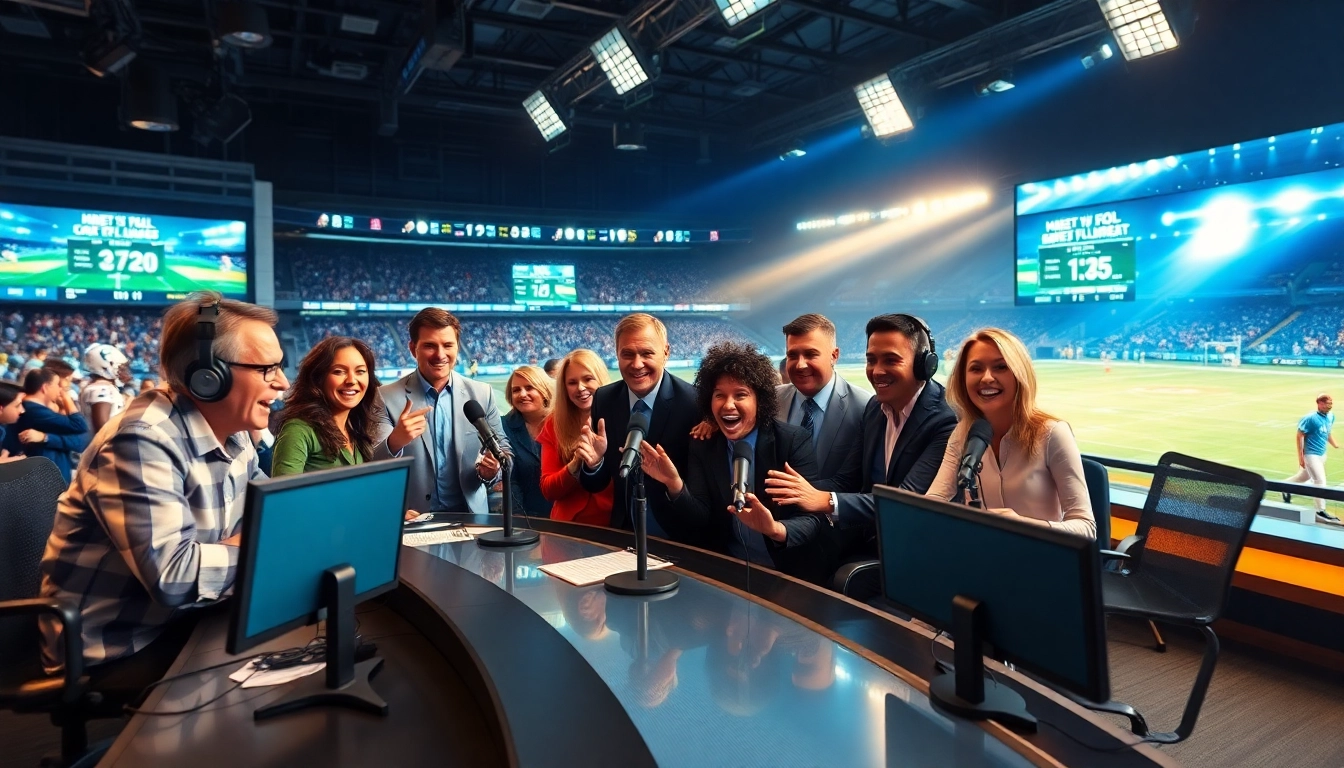
Understanding the Basics of Sports Broadcasting
What is Sports Broadcasting?
Sports broadcasting involves the dissemination of sports events via various media platforms such as television, radio, and online streaming. This field integrates entertainment, information, and advertising, reaching millions of sports fans worldwide. Major events are often covered simultaneously across multiple channels, ensuring widespread access. With the rise of digital platforms, it has become essential to adapt traditional broadcasting techniques to cater to today’s audiences. By enhancing engagement through various formats, broadcasters can capitalize on their reach and monetization possibilities. For more insights on the landscape, you can explore Sports Broadcasting opportunities.
Key Roles in Sports Broadcasting
The world of sports broadcasting encompasses a variety of roles critical to the successful transmission of events. Key positions include:
- Play-by-Play Announcer: This individual narrates the events as they unfold, offering real-time analysis and context to the viewers.
- Color Commentator: A crucial counterpart to the play-by-play announcer, the color commentator provides insights and deeper analysis based on experience and knowledge of the sport.
- Producers: Responsible for the overall production, producers plan and manage content, ensuring everything runs smoothly from start to finish.
- Cameramen: They capture the visual aspects of the game, working closely with directors to present the live action in the most engaging way.
- Editors: After the live broadcast, editors refine the footage for highlights and post-game analysis. Their work ensures that important moments are effectively communicated to a broader audience.
Essential Equipment for Sports Broadcasting
High-quality sports broadcasting requires a suite of specialized equipment:
- Cameras: Professional-grade cameras capable of capturing high-definition footage, often equipped with zoom capabilities to follow fast-paced action.
- Microphones: Quality audio capture devices are vital. Lapel mics for interviews and shotgun mics for ambiance are common.
- Switchers: These devices allow producers to switch between different video feeds seamlessly, essential during live sports transmissions.
- Graphics and Animation Software: For displaying real-time statistics and scores, sophisticated software is needed to create engaging visuals.
- Streaming Equipment: For digital broadcasting, encoders and reliable internet connections are crucial for transmitting live events online.
Developing Your Broadcasting Skills
Effective Communication Techniques
Successful broadcasters are not only knowledgeable about the sports they cover but also exhibit excellent communication skills. Key techniques include:
- Clarity: Use clear and concise language, avoiding jargon that may confuse the audience.
- Voice Modulation: Varying pitch and tone can help emphasize excitement and drama during key moments.
- Active Listening: Engaging in conversations with co-commentators and guests enriches the content and provides diverse perspectives.
- Storytelling: Incorporating narratives around players, teams, and events can captivate viewers and enrich the overall broadcast experience.
Engaging Your Audience
To maintain a loyal audience, broadcasters should implement strategies to enhance viewer engagement:
- Interactive Content: Utilize social media to run polls, quizzes, and Q&A sessions that encourage viewer involvement.
- Personal Touch: Share personal anecdotes or insights to connect with the audience on a deeper level.
- Feedback Mechanisms: Encourage and openly receive audience feedback to facilitate improvement in content delivery and audience satisfaction.
Common Mistakes to Avoid
Even seasoned broadcasters can fall into traps that detract from their performance:
- Overloading Information: Providing too much data can overwhelm viewers. Focus on the most relevant details.
- Ignoring Viewer Feedback: Neglecting audience responses can alienate fanbases; prioritize adapting to their preferences.
- Neglecting Preparation: Going into a broadcast unprepared can result in errors and missed opportunities for insightful commentary.
Tools and Technology in Sports Broadcasting
Must-Have Software for Broadcasters
Supportive software is essential for managing broadcasting effectively:
- Broadcast Management Systems: These integrate scheduling, content management, and viewer analytics to optimize broadcasts.
- Editing Software: Advanced tools like Adobe Premiere Pro and Final Cut Pro are crucial for post-game highlight creation.
- Audio Mixing Software: Tools like Pro Tools provide necessary capabilities for adjusting audio levels for clarity and impact.
- Social Media Management Tools: Platforms like Hootsuite help broadcasters manage audience engagement in real-time during events.
Live Streaming vs. Traditional Broadcasting
With the prevalence of online platforms, the debate between live streaming and traditional broadcasting intensifies:
- Accessibility: Live streaming is more accessible to audiences on various devices, allowing for viewing on-the-go.
- Cost-Effectiveness: Digital broadcasts often require less upfront investment compared to traditional cable networks.
- Real-Time Interaction: Streaming allows for instant feedback through chats and comments, fostering a more interactive environment.
- Quality Control: Traditional broadcasting typically adheres to higher production standards, potentially offering a more polished experience.
Enhancing Production Quality with Technology
To stand out in a crowded market, high production quality is essential:
- 4K and VR Technology: Implementing cutting-edge video technologies creates immersive experience for viewers.
- Advanced Graphics: Incorporating animated graphics and data feeds enhances the depth of commentary.
- Multi-Camera Angles: Offering various viewing angles helps maintain viewer interest and improves overall engagement.
Current Trends in Sports Broadcasting
The Rise of Digital Platforms
Digital platforms have transformed the way sports are broadcasted and consumed:
- Subscription Models: Many channels are shifting to subscription-based models, providing exclusive content for a fee.
- Mobile Viewing: With the growth of smartphones, audiences are increasingly consuming sports on mobile devices.
- On-Demand Content: Fans prefer watching highlights and replays at their convenience, influencing content delivery methods.
Audience Interaction and Engagement
Prioritizing audience connection is crucial:
- Real-Time Polling: Engage viewers with live polls that allow them to share opinions during broadcasts.
- Live Chat Features: Facilitating conversations between broadcasters and viewers can enhance the interactive experience.
- Viewer-Focused Content: Tailoring content to reflect viewer interests and preferences encourages loyalty and return viewership.
Future of Sports Broadcasting
The future of sports broadcasting is set to evolve with advancing technologies:
- AI-Driven Analytics: Increasing use of AI to analyze viewer preferences and optimize engagement strategies.
- Augmented Reality: The inclusion of AR experiences will create richer viewing experiences, merging real-world visuals with broadcast content.
- Ethical Streaming Practices: As digital platforms grow, ensuring fair practices and rights management will become increasingly important.
Measuring Success in Sports Broadcasting
Analyzing Viewership Data
Understanding how to interpret viewership metrics is essential for gauging success:
- Ratings and Shares: Evaluating viewership numbers and how they compare during various time slots can inform content scheduling.
- Demographic Insights: Knowing your audience’s demographic data enables targeted content and advertising strategies.
- Engagement Metrics: Monitoring social media interactions and viewer feedback can provide insights for future broadcasts.
Feedback and Continuous Improvement
Feedback mechanisms are critical for ongoing development:
- Surveys: Post-event surveys can yield valuable viewer insights for improving future broadcasts.
- Focus Groups: Engaging select audience members in discussions can provide in-depth feedback on content and presentation.
- Performance Reviews: Regular reviews of broadcasting teams help identify areas of growth and acknowledge successful strategies.
Building a Personal Brand as a Broadcaster
Creating a distinctive personal brand can differentiate broadcasters:
- Authenticity: Being genuine resonates with audiences; sharing personal experiences can build strong connections.
- Online Presence: Actively engaging on social media and sharing unique perspectives can help establish credibility.
- Networking: Building relationships within the industry can open doors to new opportunities and collaborations.
Frequently Asked Questions
1. What qualifications do I need for sports broadcasting?
While formal education in journalism or broadcasting is helpful, practical experience through internships or local broadcasts is invaluable. Building a strong portfolio is essential.
2. How can I get noticed in sports broadcasting?
Create engaging content on social platforms and network within the industry. Attend events and collaborate with other broadcasters to expand your reach.
3. What software is best for editing sports footage?
Popular software includes Adobe Premiere Pro and Final Cut Pro, which offer a range of tools tailored for editing high-action sports footage.
4. How do I improve my communication skills?
Practice regularly, seek feedback, and engage in continuous learning. Joining speaking clubs or participating in workshops can also enhance your skills.
5. What are the biggest challenges in sports broadcasting?
Managing live broadcasts under pressure, keeping audiences engaged, and adapting to rapidly changing technologies are significant challenges faced by broadcasters.