Understanding Bed Bug Infestations
Bed bugs are small, nocturnal insects that feed on the blood of humans and animals. These pests have become a significant concern in recent years, particularly in urban areas like Milwaukee, where their prevalence has surged. With their ability to reproduce rapidly and survive without feeding for months, understanding bed bug infestations is crucial for effective management. In this article, we will explore the nature of bed bugs, how they spread, the common signs of infestation, and their behaviors that make them particularly resilient.
What Are Bed Bugs and How Do They Spread?
Bed bugs (Cimex lectularius) are small, flat insects that typically measure about 4-5 mm long, resembling apple seeds in shape and size. They are excellent hitchhikers, often traveling between residences via luggage, used furniture, or clothing. This mobility significantly contributes to their rapid spread, particularly in crowded living conditions such as apartments and hotels.
Common Signs of a Bed Bug Infestation
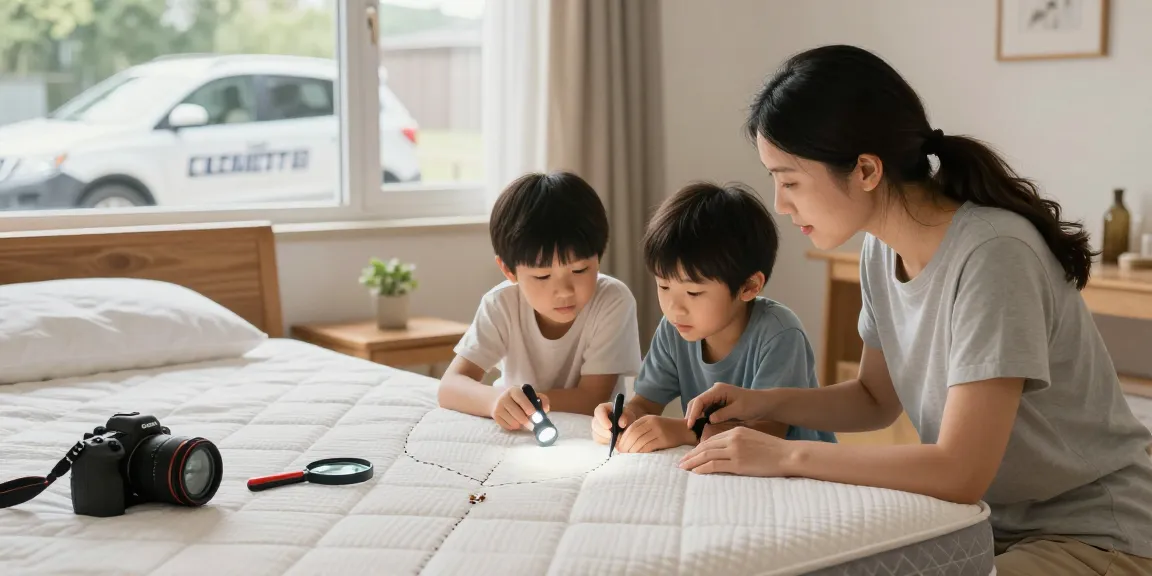
Identifying a bed bug infestation early can save you from significant discomfort and expenses. Common signs include:
- Itchy welts on the skin that appear in lines or clusters.
- Small bloodstains on bedding or mattresses.
- Dark, inky spots of excrement on sheets or furniture.
- Molt skins and eggshells in areas where bed bugs hide.
Bed Bug Behavior and Life Cycle Insights
Understanding the behavior of bed bugs is essential to combatting them effectively. They are nocturnal creatures, typically feeding at night, but they may also feed during the day if necessary. A female bed bug can lay up to 500 eggs in her lifetime, and these eggs can hatch in about 6-10 days. Additionally, bed bugs can survive for several months without a blood meal, making them particularly challenging to eradicate.
Effective Bed Bug Treatment Options
Once you confirm a bed bug infestation, choosing the right bed bug treatment method is critical. Various treatment options are available, each with its advantages and limitations. This section will delve into heat treatments, chemical treatments, and the benefits of combining methods for optimal results.
Heat Treatment: Advantages and Limitations
Heat treatment is one of the most effective methods for eliminating bed bugs. This process involves raising the temperature of an infested area to a level that is lethal to bed bugs and their eggs. Some advantages of heat treatment include:
- Kills all life stages of bed bugs, including eggs.
- Eco-friendly, as it does not involve chemicals.
- Effectively reaches bed bugs hiding in furniture and walls.
However, heat treatment also has limitations, such as the need for extensive preparation and the potential for damage to heat-sensitive items.
Chemical Treatments: What You Need to Know
Chemical treatments involve the use of pesticides specifically formulated to kill bed bugs. These treatments can be very effective but come with certain caveats. Here are a few vital facts:
- Residual effects can last for weeks to months, providing ongoing protection.
- Thorough preparation is required to maximize effectiveness.
- Some individuals may have sensitivities to chemical treatments, necessitating caution.
Combining Methods for Optimal Results
For the best chance of success, many experts recommend a combination of heat and chemical treatments. This method addresses the immediate problem while providing a long-term solution. Following up with professional inspections can also help ensure complete eradication of bed bugs.
Preparing for Bed Bug Treatments
Proper preparation before treatments is essential for achieving the best outcomes. Here, we outline the necessary steps to prepare your home for extermination, what to expect during the treatment process, and how to care for your space post-treatment.
Steps to Prepare Your Home for Extermination
Preparation is crucial in maximizing the effectiveness of any bed bug treatment. Steps include:
- Decluttering the area to allow easier access to infested spots.
- Washing all bedding and clothing in hot water.
- Moving furniture away from walls to reach hiding places.
What to Expect During the Treatment Process
During the treatment, you can expect the pest control team to conduct a thorough inspection, followed by the application of the chosen treatment method. You may need to vacate your home for a few hours or even days, depending on the treatment used.
Post-Treatment Care and Monitoring
After treatment, it’s important to monitor the area for any signs of bed bugs returning. Continue to keep your home clean and clutter-free to prevent re-infestation. If you notice any signs, contact your pest control provider immediately for follow-up services.
Bed Bug Prevention Strategies
Preventing bed bug infestations is far more effective than treating them after they occur. Here are some practical strategies to keep your home bed bug-free.
How to Avoid Bringing Bed Bugs Home
To avoid inadvertently bringing bed bugs into your home, consider the following tips:
- Inspect second-hand furniture for signs of infestation before bringing it indoors.
- Use protective covers on mattresses and box springs.
- Regularly wash and dry bedding on high heat.
Effective Home Maintenance Tips
Maintaining cleanliness can help deter bed bugs. Regular vacuuming, sealing cracks and crevices, and monitoring high-risk areas like hotels and public transportation can significantly reduce the risk of an infestation.
Utilizing Professional Inspections Regularly
Enlisting professional pest control services for regular inspections can help catch potential infestations early, making treatment much simpler and more effective. This proactive approach can save you time, money, and stress in the long run.
Frequently Asked Questions about Bed Bug Treatment
Here, we address some common queries regarding bed bug treatment to provide you with essential insights.
What kills bed bugs instantly?
Products containing high concentrations of rubbing alcohol or specialized bed bug sprays can kill bed bugs on contact, but these methods are generally not sufficient for complete eradication.
How much does bed bug treatment typically cost?
The cost of bed bug treatment can vary widely based on the infestation’s severity, the treatment method used, and the company. Many pest control services offer free consultations to provide estimates tailored to your situation.
Can I treat bed bugs myself?
While some DIY methods exist, they are generally ineffective against established infestations. Professional treatments are recommended for the best results.
How long does it take for bed bug treatments to work?
Treatment effectiveness can vary. Chemical treatments may take weeks to show results, while heat treatments typically kill bed bugs in a single session.
Are bed bugs dangerous to my health?
While bed bugs are not known to transmit diseases, their bites can lead to significant discomfort, allergic reactions, and secondary infections due to scratching. It is essential to treat infestations promptly for health and comfort reasons.