
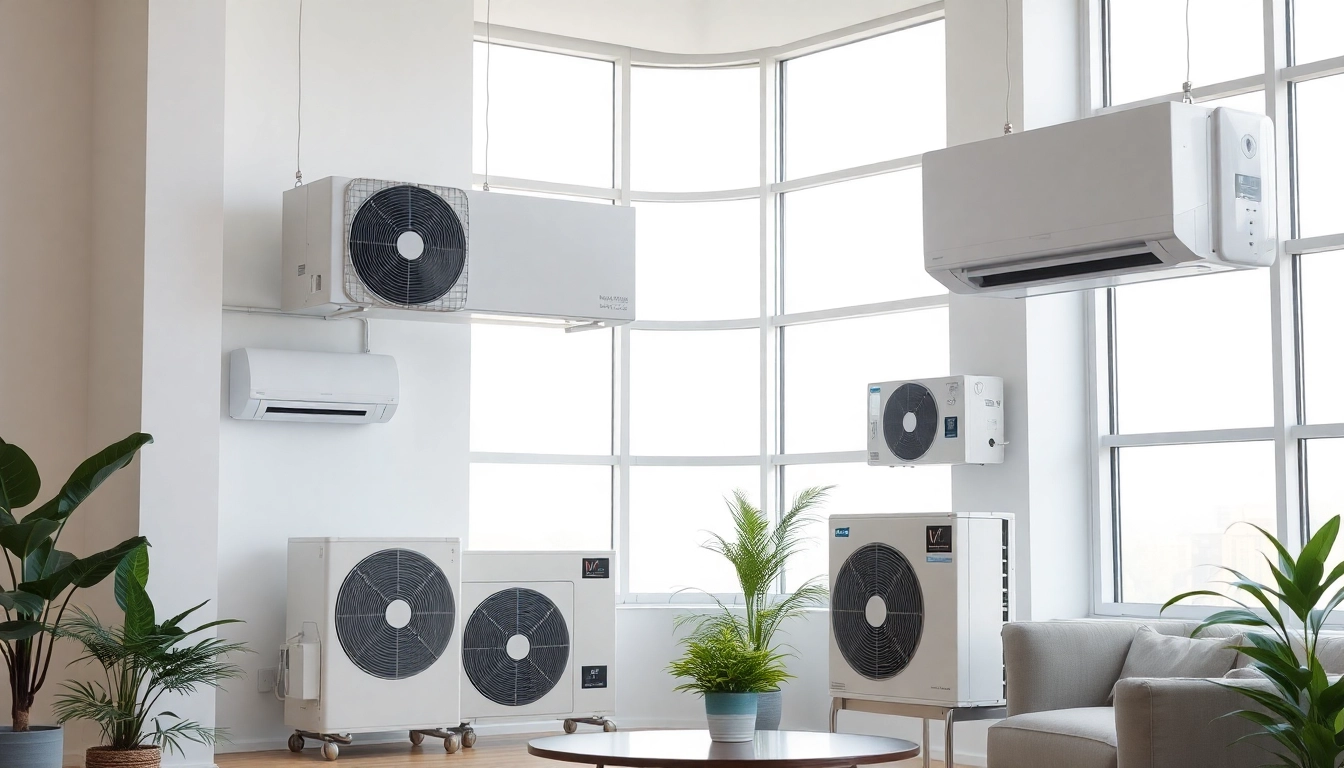
Understanding Mini Split AC Technology
What is a Mini Split AC?
A mini split ac is a modern air conditioning system composed of two primary components: an indoor unit and an outdoor unit, which are connected by refrigerant lines. This ductless technology allows for higher energy efficiency and zoned temperature control, making it an ideal choice for residential and commercial spaces alike. Unlike traditional HVAC systems that rely on extensive ductwork, mini split systems offer greater installation flexibility and aesthetic advantages.
Components of Mini Split AC Systems
Understanding the components of a mini split AC system is essential for grasping its functionality. Here are the main parts:
- Indoor Unit: This is installed inside the building and is available in various styles, such as wall-mounted, ceiling-mounted, or floor-mounted options. The indoor unit is responsible for cooling or heating the air in the space.
- Outdoor Unit: Located outside the building, this unit houses the compressor and condenser, which facilitate the heat exchange process. It can handle multiple indoor units simultaneously, providing flexibility for multi-zone setups.
- Refrigerant Lines: These copper lines connect the indoor and outdoor units, allowing the refrigerant to flow between them and enabling heat transfer.
- Remote Control or Smart Thermostat: Most mini split systems come with remote controls for easy operation, and many models now offer smart technology for enhanced convenience and energy management.
How Mini Split AC Works
The operation of a mini split AC system revolves around the refrigeration cycle, typically involving four main processes: evaporation, condensation, compression, and expansion. The process begins when the indoor unit absorbs heat from the air in the room, causing the refrigerant inside it to evaporate. This gas is then pumped to the outdoor unit, where it is compressed, increasing its temperature and pressure. The refrigerant then moves to the condenser coil in the outdoor unit, where it releases the absorbed heat into the outside air, condensing back into a liquid state. This cycle repeats, maintaining a cool and comfortable indoor environment. This highly efficient method of cooling and heating comes with several advantages.
Benefits of Mini Split AC Systems
Energy Efficiency and Cost Savings
Mini split AC systems are celebrated for their energy efficiency. Unlike conventional air conditioners that operate on a single speed, many mini splits utilize inverter technology, allowing the compressor to operate at variable speeds. This results in lower energy consumption and substantial cost savings on utility bills, especially during peak heating or cooling seasons. Furthermore, their ductless design eliminates energy loss that typically occurs in ducts, leading to a more efficient cooling process.
Flexible Installation Options
One of the standout features of a mini split AC is its flexible installation options. Since these systems do not require ductwork, they can be installed in various locations without major renovations. The indoor units can be mounted on walls, ceilings, or even placed on the floor, providing homeowners and businesses with customizable solutions tailored to their space. Additionally, installation is faster and less invasive, reducing labor costs and disruption to daily activities.
Diverse Temperature Control
Mini split AC systems offer advanced temperature control, allowing users to establish different temperatures in each zone or room. This zoned approach not only leads to enhanced comfort but also contributes to energy savings, as areas that aren’t occupied can be kept at a lower temperature. Homeowners can appreciate the ability to set different cooling or heating preferences in various rooms according to personal preferences, resulting in individualized comfort without compromising efficiency.
Choosing the Right Mini Split AC for Your Space
Factors to Consider
When selecting a mini split AC system, it’s vital to consider several factors to ensure optimal performance:
- Size of the Space: Accurately measuring the square footage of the area you intend to cool or heat is essential. Systems are available in various capacities, typically measured in BTUs (British Thermal Units).
- Climate: Your local climate will influence the type of mini split you need. Higher efficiency models may be preferred in areas with extreme weather.
- Noise Levels: Some models operate quieter than others. If noise is a concern, look for units with a low decibel rating.
Common Size and Capacity Options
Mini split systems typically range from about 9,000 to 36,000 BTUs, accommodating different space sizes and cooling requirements. For instance, a smaller unit may suffice for a room up to 300 square feet, while larger setups can efficiently cool or heat areas exceeding 1,500 square feet. It’s essential to consult with an HVAC professional to determine the appropriate size to avoid issues with energy efficiency and comfort.
Assessing Energy Ratings
Energy efficiency ratings are crucial when selecting a mini split AC system. Look for the Seasonal Energy Efficiency Ratio (SEER) and Heating Seasonal Performance Factor (HSPF) ratings, which indicate how efficiently the unit operates in both cooling and heating modes. Higher ratings translate to enhanced energy savings over time. Aim for a SEER rating of 16 or higher and an HSPF rating of 8 or higher for optimal energy efficiency in residential and commercial applications.
Installation and Maintenance of Mini Split AC
Preparing for Installation
Proper preparation is vital for a successful mini split installation. Consider the following steps to ensure efficiency:
- Site Assessment: An HVAC technician should evaluate your property to determine the best locations for indoor and outdoor units based on airflow, exposure to elements, and accessibility for maintenance.
- Permits and Regulations: Check local building codes and regulations, as some areas may require permits for installation.
- Power Supply Considerations: Ensure that your electrical system can support the new AC system, and work with a qualified electrician if upgrades are needed.
Routine Maintenance Tips
Regular maintenance is key to maximizing the lifespan and efficiency of a mini split AC system. Here are some recommended practices:
- Clean Filters Monthly: Dust and debris can accumulate in filters, reducing airflow and efficiency. Cleaning the filters every month helps maintain optimal operation.
- Check Condenser Coils: Periodically inspect the outdoor unit’s condenser coils for dirt buildup, as this can hinder performance. Clean with a soft brush or hose if necessary.
- Professional Servicing: Schedule annual maintenance with a qualified HVAC technician to ensure all components operate as they should and to address potential issues before they escalate.
Common Installation Mistakes to Avoid
Installing a mini split AC can be straightforward; however, common mistakes can lead to inefficiencies or require costly repairs:
- Incorrect Sizing: Choosing an improperly sized unit can lead to inadequate cooling or heating and increased energy consumption.
- Poor Placement: Mounting the indoor units in areas that block airflow or in poorly insulated rooms can reduce system effectiveness.
- Neglecting Electrical Connections: Improper electrical connections may pose safety hazards. Ensure all electrical work is conducted by certified professionals.
FAQs About Mini Split AC Systems
What is the lifespan of a mini split AC?
Typically, mini split AC units can last 15-20 years with proper maintenance, which includes regular servicing and filter cleaning.
Can a mini split AC be used for heating?
Yes, many mini split systems can also provide heating, making them versatile and suitable for year-round climate control.
How much does it cost to install a mini split AC?
Installation costs can vary widely but generally range from $2,000 to $5,000, depending on factors like the number of zones and system complexity.
Are mini split AC units noisy?
Most models are quieter than traditional systems, operating around 19 dBA, making them ideal for bedrooms and quiet spaces.
Do mini split AC units require ductwork?
No, mini split systems are ductless, allowing for easier installation and greater flexibility in various settings.