Understanding LVP Flooring
What is LVP Flooring?
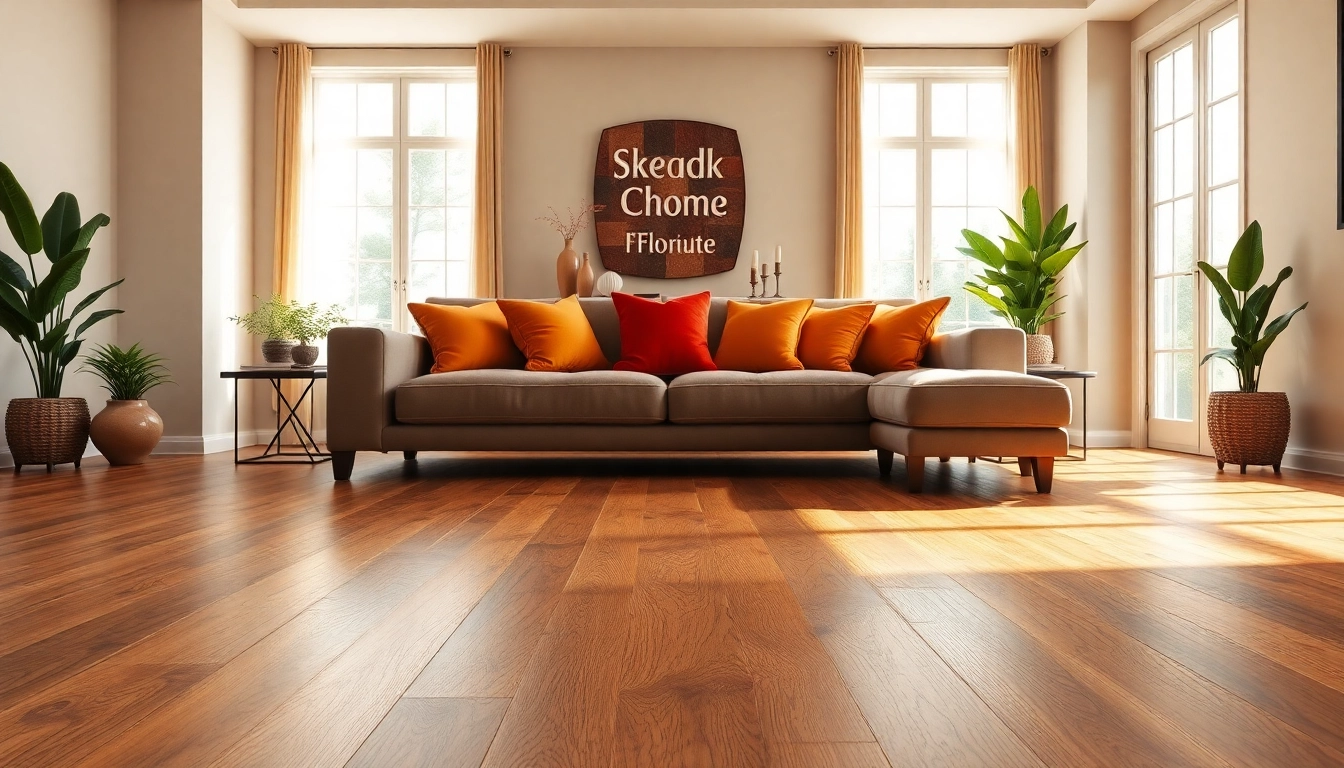
Luxury Vinyl Plank (LVP) flooring has become an increasingly popular choice among homeowners looking for both aesthetic appeal and functional durability. Constructed from several layers of synthetic materials, LVP mimics the look of natural hardwood or stone flooring while providing excellent resilience. This type of flooring is designed to provide comfort underfoot, and it’s perfect for various residential applications, from living rooms to bathrooms.
Benefits of Best LVP Flooring
The best lvp flooring offers numerous advantages that make it worth considering for your home renovation projects. Firstly, its water resistance is one of its outstanding features, making it suitable for moisture-prone areas such as kitchens and bathrooms. Secondly, LVP flooring boasts exceptional durability; its top layer can withstand scratching, denting, and staining, providing long-lasting performance even in high-traffic areas.
Another significant benefit is affordability. Compared to traditional hardwood flooring, LVP is generally less expensive, offering the same luxurious looks without breaking the bank. Additionally, it is available in a wide range of designs and colors, enabling you to achieve the desired aesthetic effortlessly. Finally, LVP is often easier to install than other flooring options, with many styles designed for DIY installation.
Common Misconceptions
Despite its surge in popularity, several misconceptions about LVP flooring persist. One of the most common myths is that LVP flooring is not environmentally friendly. However, many manufacturers now focus on using recyclable materials without compromising quality. Another misconception is that LVP flooring lacks visual appeal compared to hardwood. In reality, advances in technology allow for highly realistic designs that can fool even the most discerning eyes. Addressing these misconceptions can help homeowners make informed decisions.
Features to Look for in Best LVP Flooring
Durability and Longevity
When choosing the best lvp flooring, durability should be a top priority. Most LVP options come with wear layers that provide protection against scratches and dents, significantly increasing their longevity. The thickness of the wear layer is typically measured in mils; look for options with at least 20 mils for residential use. Investing in high-quality LVP flooring can result in years, even decades, of use without vinyl wearing down or losing its aesthetic appeal.
Water Resistance Factors
Water resistance is another critical feature to check when selecting LVP flooring. The best LVP options are 100% waterproof, meaning they can be used even in areas subjected to spills and moisture without the risk of warping or damage. This feature not only makes it an ideal choice for bathrooms and kitchens but also means easier maintenance, as cleaning spills is straightforward.
Design and Aesthetic Options
The design versatility of LVP flooring is impressive. Homeowners can choose from an extensive range of colors, textures, and styles that imitate natural woods and stones. Many manufacturers offer planks in various sizes, designs (such as embossed and textured), and finishes (such as matte and glossy) to suit personal styles. This wide array of choices allows for immense creative freedom while decorating your home.
Installation Process of Best LVP Flooring
DIY vs. Professional Installation
When it comes to installation, homeowners often face a significant decision: whether to tackle the job themselves or hire professional installers. The decision typically depends on the level of expertise and comfort with DIY projects. For those with basic skills, LVP flooring can be installed as a floating floor, minimizing the need for adhesives or nails, making DIY a feasible option. However, hiring professionals ensures a perfectly executed installation, addressing potential challenges effectively.
Tools and Materials Needed
If you opt for the DIY route, having the right tools and materials is essential for a successful installation. Key tools include a utility knife for cutting planks, straight edge, measuring tape, chalk line, spacers, and a tapping block. Additionally, ensuring you have the appropriate underlayment (if required by the manufacturer) is crucial for achieving the best results. Planning involves measuring the space accurately to determine how many planks you will need, reducing waste.
Steps for Successful Installation
For a successful LVP flooring installation, follow these key steps:
- Preparation: Clear the area of furniture, clean the subfloor, and ensure it is dry and level.
- Acclimation: Allow the planks to acclimate to the room temperature and humidity for at least 48 hours.
- Layout: Determine the layout direction of the planks for aesthetic appeal, usually parallel to the longest wall.
- Installation: Start installing the first row by inserting spacers, interlocking the planks, and using a tapping block as needed.
- Finishing Touches: Once the entire area is covered, remove spacers, and install baseboards or trim to hide the expansion gap.
Maintenance Tips for Best LVP Flooring
Routine Cleaning Techniques
Maintaining your LVP flooring is relatively straightforward. Regular sweeping or vacuuming helps eliminate dirt and debris that might scratch the surface. Additionally, damp mopping with a pH-neutral cleaner can keep the planks looking fresh and clean. Avoid using harsh chemicals or wax-based products, which can dull the finish or damage the flooring over time.
Preventing Damage
While LVP flooring is incredibly durable, preventive measures are essential to extend its lifespan. Place felt pads under heavy furniture to prevent scratches and avoid dragging items across the floor. It’s also a good idea to use rugs in high-traffic areas and entranceways to catch dirt before it reaches your floors. Promptly cleaning up spills will also prevent moisture issues.
Long-Term Care Strategies
For long-term care of your LVP flooring, periodic deep cleaning is recommended. This involves using a specialized cleaner designed for vinyl floors and may include buffing the surface to maintain its luster. Setting a seasonal maintenance schedule can help you stay on top of cleaning tasks, ensuring your floors remain in excellent condition for years to come.
Frequently Asked Questions
How long does LVP flooring last?
With proper care and maintenance, LVP flooring can last 15 to 25 years or more, depending on the quality and thickness of the wear layer.
Is LVP flooring suitable for bathrooms?
Yes, LVP flooring is an excellent choice for bathrooms due to its waterproof characteristics, making it resistant to moisture and humidity.
Does LVP flooring require underlayment?
Not all LVP flooring requires underlayment; it depends on the specific product. Refer to the manufacturer’s guidelines for the best advice.
Can LVP flooring be refinished?
Most LVP flooring cannot be refinished. However, high-quality planks may have a thicker wear layer that can withstand heavy traffic and wear.
What is the cost of best LVP flooring?
The cost of the best LVP flooring typically ranges from $2 to $7 per square foot, depending on the quality, brand, and design you select.