Understanding Colonial Home Addition
Colonial home additions have gained immense popularity due to their classic aesthetic charm and practicality. Homeowners often seek to enhance their living space without sacrificing the architectural integrity of their residences. When planning a colonial home addition, understanding the style’s historical context and design principles is crucial for a successful execution.
The History and Characteristics of Colonial Architecture
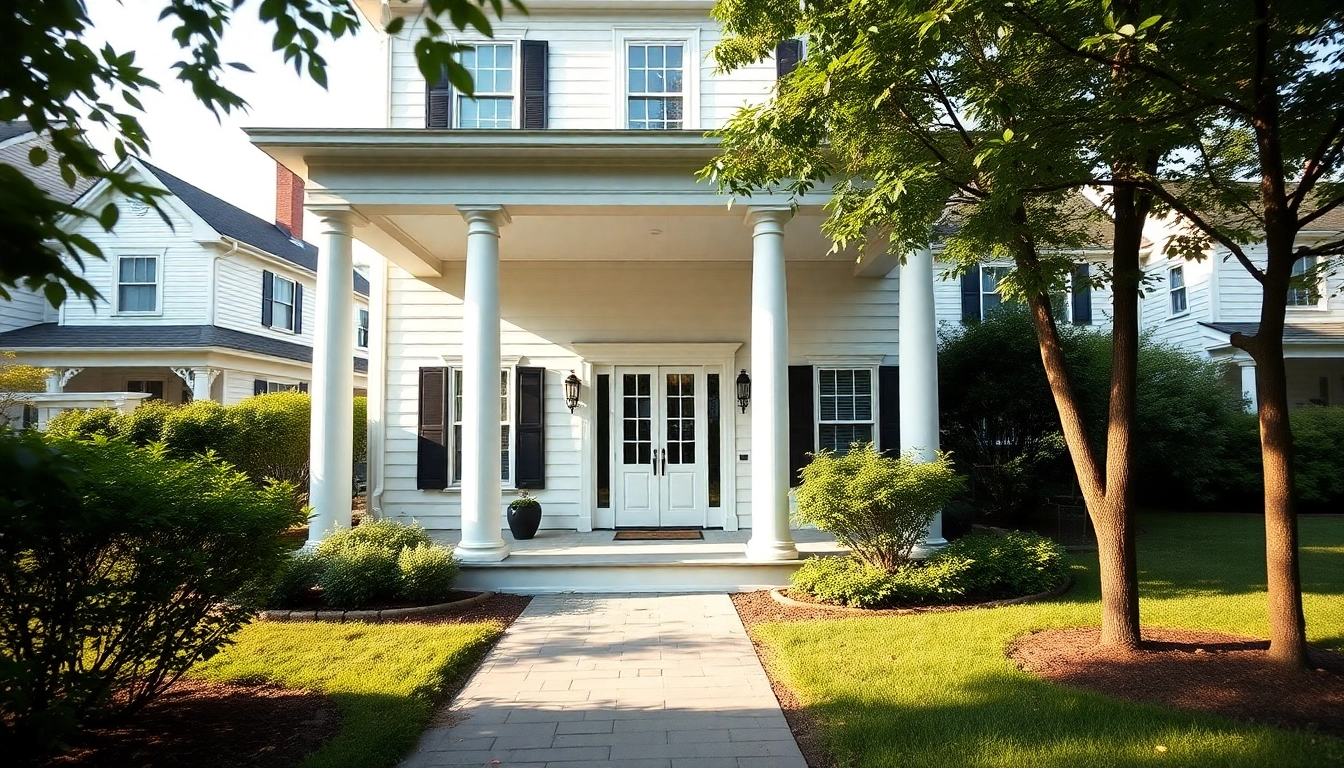
Colonial architecture reflects various influences based on the region, including British, Dutch, Spanish, and French styles. Originating in the early 1600s, these homes maintain a blend of distinct features such as symmetrical designs, gabled roofs, and expansive front porches. Generally, colonial homes are characterized by:
- Symmetry: Windows and doors are often evenly spaced on each side of the central entrance.
- Materials: Traditional options include wood, brick, and stone, each telling a different historical narrative.
- Classic Elements: Features such as cornices, shutters, and columns further enhance aesthetic appeal.
These attributes contribute to their enduring appeal and the basis for thoughtful additions that respect their original design principles.
Common Types of Colonial Home Additions
When it comes to expanding a colonial home, several types of additions can be considered. Each type serves functional purposes while melding harmoniously with the existing structure:
- Gabled Roof Extensions: These maintain the characteristic rooflines of colonial architecture.
- Sunrooms: Infusing living spaces with natural light, sunrooms serve as beautiful transitional spaces.
- Second-Story Additions: Expanding upward can effectively create new bedrooms or office spaces without altering the home’s footprint.
- Accessory Dwelling Units (ADUs): These separate units on the property can serve as guest houses or rental spaces, offering versatility.
Choosing the right type of addition depends on individual family needs, budget constraints, and how each element complements the existing architectural style.
Benefits of a Colonial Home Addition
Adding to a colonial home presents numerous benefits:
- Increased Space: Expanding the home provides more functionality for modern living, addressing growing family needs.
- Increased Property Value: A well-planned addition not only improves aesthetics but also boosts market value.
- Personalization: Customize the layout and design to suit your family’s lifestyle while maintaining historical integrity.
- Enhanced Curb Appeal: Thoughtfully designed additions can enhance the exterior beauty of your home.
Understanding these benefits can motivate homeowners to embark on the journey of adding to their colonial home.
Planning Your Colonial Home Addition
Assessing Your Current Space and Needs
The first step in planning your colonial home addition involves a detailed assessment of your existing space and your family’s needs. Begin by evaluating:
- Current Layout: Determine what spaces are working and which ones are lacking.
- Family Dynamics: Analyze how your family’s activities may require additional rooms, storage, or flexibility.
- Future Growth: Consider potential changes, like new family members or shifts in lifestyle, that might impact your space requirements.
- Style Integration: Identify elements of your existing home that should be mirrored in the addition.
Budgeting for a Colonial Home Addition
While planning your addition, establishing a clear budget is critical. Costs can vary significantly depending on several factors:
- Size and Scope: Larger additions require more materials and labor, increasing costs.
- Materials: The choice of materials will significantly influence the overall budget and its alignment with colonial characteristics.
- Labor and Expertise: Hiring skilled craftsmen can lead to higher labor costs but result in superior quality.
- Permitting Costs: Local regulations might require permits, adding to expenses.
It’s advisable to create a contingency fund, typically 10-20% of the overall budget, to accommodate unexpected expenses during the construction phase.
Permits and Regulations to Consider
Pertinent regulations can vary by location; thus, understanding local laws and obtaining the necessary permits is essential before starting your colonial home addition. Different types of permits typically include:
- Building Permits: Required for structural changes to ensure safety and compliance.
- Zoning Permits: Local zoning laws determine what type of construction is allowed on a given property.
- Historical Approvals: If your home is a designated historical structure, additional regulations may apply.
Consulting with local authorities or a contractor familiar with zoning laws can facilitate this process.
Designing a Colonial Home Addition
Choosing Materials that Complement Colonial Style
When designing your addition, selecting the right materials is crucial. Some popular options include:
- Wood Siding: Often used in colonial homes, it can be painted or stained to match the existing home.
- Brick: This classic material aligns with the colonial aesthetic and is known for its durability.
- Stone Accents: Incorporating stone can add texture and depth while ensuring historical integrity.
Each material should be chosen not only for aesthetics but also for functionality and maintenance considerations.
Incorporating Modern Amenities in a Colonial Framework
While preserving colonial aesthetics, integrating modern amenities enhances functionality. Common updates include:
- Open Floor Plans: Many modern families prefer open layouts for kitchens and living areas, which can be incorporated without losing colonial charm.
- Energy-Efficient Windows: These modern windows help maintain traditional looks while improving energy efficiency.
- Smart Home Technology: Integrating security and temperature systems discreetly into existing structures can improve comfort and safety.
Striking a balance between modern convenience and colonial charm is critical to maintaining the home’s historical integrity while adapting to contemporary living standards.
Landscaping Ideas to Enhance Exterior Appeal
A colonial home addition doesn’t stop at the structure. Thoughtful landscaping can significantly enhance your property’s curb appeal:
- Symmetrical Planting: Plant flowers, bushes, or trees in symmetrical patterns to reflect colonial design principles.
- Pathways and Patios: Stone pathways and patios can add elegance and usefulness while connecting the addition to the overall landscape.
- Traditional Fencing: Incorporating white picket fences or brick walls can frame and accentuate your colonial property.
Landscaping is an opportunity to enhance the visual impact of your addition while paying homage to the traditional roots of colonial design.
Construction Process for Colonial Home Addition
Finding the Right Contractor
Choosing an experienced contractor is foundational to the success of your colonial home addition. Consider the following criteria:
- Experience with Colonial Homes: Look for contractors familiar with colonial architecture and its nuances.
- References and Reviews: Ask for past project examples and seek testimonials from previous clients.
- Licensing and Insurance: Ensure they are fully licensed and insured to protect against potential liabilities.
This due diligence can ensure you hire a contractor who not only understands your vision but also delivers results that meet your expectations.
Timeline and Phases of Construction
Construction timelines can vary based on the scope of the project. Typically, the process will unfold in several phases:
- Planning Phase: Completing design and obtaining necessary permits can take a few weeks to months.
- Demolition and Site Preparation: This stage involves removing any existing structures and preparing the site for construction.
- Construction Phase: Building the addition, which may take several weeks to months, depending on complexity.
- Finishing Touches: The final phase includes landscaping, painting, and interior finishing, which can take additional time.
Setting a realistic timeline and communicating regularly with your contractor can help keep your project on track.
Managing Disruptions During Construction
Construction can be disruptive to daily lives. Therefore, planning ahead is crucial:
- Scheduling Work Hours: Agree on work hours with your contractor to minimize disturbances.
- Relocation of Essentials: Temporary relocation of furnishings and necessities may help in avoiding chaos.
- Open Communication: Maintain contact with your contractor to stay informed on progress and concerns.
Anticipating challenges and proactively managing them can enhance the overall experience throughout the construction process.
Maintaining and Enjoying Your Colonial Home Addition
Regular Maintenance Tips for Longevity
After completing your addition, regular maintenance ensures its longevity:
- Routine Inspections: Regularly assess for any signs of wear or damage.
- Cleaning: Keep materials clean and free from debris, particularly around roofs and gutters.
- Seasonal Care: Address seasonal maintenance tasks like gutter cleaning in autumn or snow removal in winter.
By staying proactive with maintenance, you can preserve the beauty and functionality of your colonial home addition.
Interior Decor Ideas for Colonial Style
Finally, decorating your new space enhances its character:
- Antique Furnishings: Incorporate period-appropriate furniture pieces that reflect colonial history.
- Color Palettes: Neutral and earthy tones can evoke a timeless look while highlighting architectural features.
- Artwork and Rugs: Use art and rugs that reflect traditional themes to create a cohesive decor.
Balancing decor with functional elements fosters a sense of warmth and authenticity in your expanded living space.
FAQs: Addressing Common Questions About Colonial Home Additions
1. What is the average cost of a colonial home addition?
Costs vary based on size and materials but generally range from $100 to $200 per square foot, depending on complexity and local rates.
2. How long does it take to complete a colonial home addition?
The typical timeline for such projects can range from a few months to over a year, depending on scope, permitting, and contractor availability.
3. Do I need a permit for my colonial home addition?
Yes, most local regulations require building permits for home additions to ensure compliance with safety and zoning requirements.
4. How can I ensure my addition matches the existing home?
Collaborate closely with designers and contractors to use complementary materials and design elements that align with colonial architecture.
5. What are some common architectural features of colonial homes?
Common features include symmetry, gabled roofs, large porches, and the use of brick, stone, and wood in construction.