
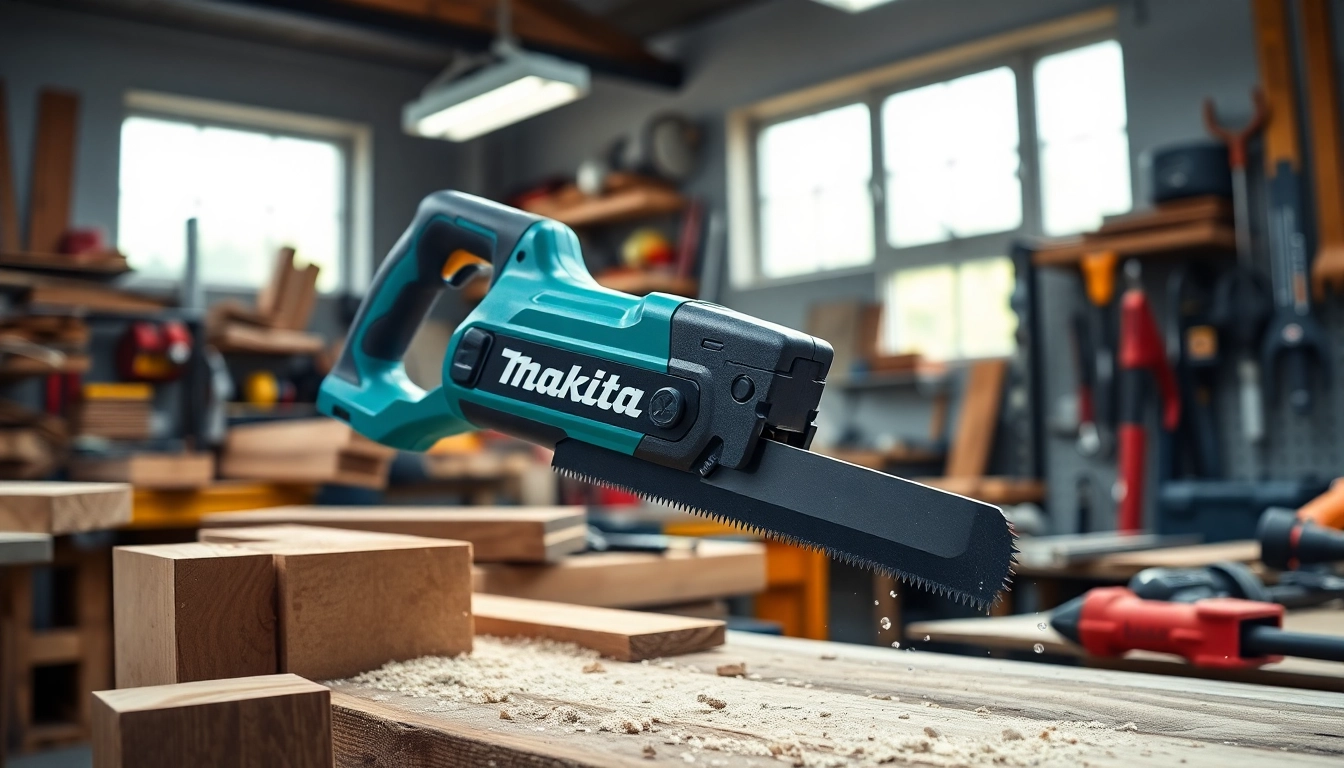
Understanding the Makita Hacksaw: Features and Benefits
When it comes to cutting tools, the makita hacksaw stands out for its precision and efficiency. Designed for both professional tradespeople and DIY enthusiasts, Makita’s hacksaws offer advanced features that enhance user experience. The combination of innovative technology and superior design makes them an essential addition to any toolkit, providing reliable performance for a variety of cutting tasks.
Key Features of the Makita Hacksaw
- Powerful Motor: Equipped with high-performance motors that deliver consistent cutting power.
- Lightweight Design: Ergonomically designed to reduce user fatigue during extended use.
- Adjustable Speed: Multiple speed settings allow for customized cutting based on material type.
- Tool-less Blade Change: Quick and easy blade replacement without the need for additional tools.
- Durability: Built with high-quality materials to withstand rigorous conditions and prolonged usage.
Benefits of Using a Makita Hacksaw for Various Materials
The versatility of the Makita hacksaw enables it to cut through a wide array of materials, including metal, wood, PVC, and more. This adaptability makes it an invaluable tool for construction professionals and hobbyists alike. The adjustable speed feature allows users to tailor their cutting technique, ensuring clean cuts without damaging the material. Additionally, the tool’s compact size makes it easier to handle in tight spaces, delivering precise cuts where larger saws might struggle.
Comparative Advantages Over Other Brands
While there are many hacksaws available on the market, the Makita brand remains a trusted choice among professionals. Compared to competitors, Makita hacksaws offer superior build quality, longer battery life for cordless models, and advanced safety features. The feedback from users consistently highlights Makita’s reliability and performance, making it a preferred option for both seasoned contractors and casual users who prioritize quality in their tools.
Choosing the Right Makita Hacksaw for Your Needs
As you consider adding a Makita hacksaw to your toolkit, it’s essential to evaluate your specific needs. This assessment will help you determine the best model, whether you’re a DIY enthusiast or a professional contractor.
Cordless vs. Corded Makita Hacksaws: Which is Best?
The choice between corded and cordless Makita hacksaws largely depends on your working environment. Corded models provide uninterrupted power, ideal for extensive projects, while cordless hacksaws offer greater mobility and convenience, particularly in locations without accessible power outlets. Each option has its own advantages, so assessing your project’s demands will guide your decision.
Finding the Ideal Blade for Different Applications
Selecting the right blade is crucial for optimizing the performance of your Makita hacksaw. Each blade type varies in design and material, making it suitable for specific applications. For example, bi-metal blades are excellent for cutting through metal, while high-speed steel blades can provide clean cuts through plastic and wood. Understanding the materials you’ll be working with ensures you choose a blade that maximizes efficiency and effectiveness.
Considerations for Homeowners vs. Professional Users
Homeowners may prioritize cost-effectiveness and versatility in a hacksaw, while professionals often seek tools that can withstand heavy daily usage. Understanding these differences will help in selecting the best Makita hacksaw that fits your needs and frequency of use. Professionals might benefit from additional features such as extended warranties and specialized blades, whereas casual users may opt for a more basic model that still meets their project requirements.
How to Use a Makita Hacksaw Effectively
Knowing how to operate your Makita hacksaw properly can significantly enhance your cutting efficiency and safety. Following a systematic approach will maximize your productivity.
Step-by-Step Guide to Operating Your Hacksaw
- Preparation: Ensure all safety gear is worn, including goggles and gloves.
- Setting the Blade: Install the appropriate blade for your project using the tool-less change mechanism.
- Adjusting Speed: Set the correct speed based on the material being cut.
- Stabilizing the Material: Secure the material to prevent movement during cutting.
- Making the Cut: Start the saw and guide it through the material with a steady motion.
Common Mistakes to Avoid When Using a Hacksaw
Several common pitfalls can hinder the effectiveness of your hacksaw usage. These include using dull blades, applying excessive force, and neglecting maintenance. Always use sharp blades for clean cuts and avoid forcing the saw, as this can damage the tool and the material. Regularly check and maintain your hacksaw for optimal performance.
Safety Tips for Using Power Tools Like the Makita Hacksaw
- Always wear protective gear such as gloves, goggles, and ear protection.
- Ensure your workspace is free of clutter to avoid accidents.
- Keep your hands away from the cutting path to prevent injury.
- Be familiar with your tool’s manual and safety features.
Maintenance and Care for Your Makita Hacksaw
To extend the lifespan of your Makita hacksaw and maintain its performance, routine maintenance is essential. Regular care not only ensures safety but also enhances cutting efficiency.
Routine Maintenance Practices to Extend Tool Life
Keeping your hacksaw clean and properly lubricated will help avoid wear and tear. After each use, wipe down the tool to remove any debris or residue. Regularly check all moving parts and ensure they are functioning smoothly. Additionally, store your hacksaw in a dry place to prevent rust and degradation.
How to Sharpen and Replace Blades Correctly
Sharpening blades properly can significantly improve cutting performance. When blades become dull, follow the manufacturer’s guidelines for sharpening techniques. When it’s time for replacement, ensure you select the right blade for your specific cutting needs to maintain optimal performance.
Signs Your Hacksaw Needs Repair or Replacement
Watch for signs of wear such as inconsistent cutting, excessive vibration, or unusual noises during operation. If your hacksaw struggles to maintain speed or if the motor begins to overheat, it might be time to consider professional servicing or replacement. Prompt attention to these issues can prevent further damage and maintain your tool’s reliability.
Future Trends in Power Tools: The Role of Hacksaws in 2026
The power tool industry is constantly evolving, with innovations emerging that will enhance tool performance and usability. Understanding these trends can help you stay ahead in your projects.
Emerging Technologies Influencing Hacksaw Design
The integration of smart technology into power tools is expected to rise by 2026. Features such as Bluetooth connectivity, which allows users to monitor their tool’s performance through apps, will soon become standard. Additionally, advancements in battery technology will further improve cordless models, enhancing their runtime and efficiency.
Environmental Impact and Sustainability in Power Tools
As the industry moves towards sustainability, hacksaw manufacturers are focusing on eco-friendly materials and practices. The push for battery recycling and the use of sustainable packaging will play a significant role in shaping the future of power tools. Consumers are becoming more conscious of their carbon footprint, leading brands to adapt their practices accordingly.
Predicted Market Trends for Hacksaws by 2026
Market trends indicate an increasing preference for portable and versatile tools among consumers. For more information, Mister Worker offers valuable insights. As more people engage in DIY projects and home renovations, the demand for high-quality, user-friendly hacksaws will likely grow. Additionally, the trend towards modular tool systems that allow for interchangeable parts will enhance adaptability and ease of use in various applications.